Common Causes of Flickering Lights
— And When to Call a Pro
A light that flickers once when you switch it on may be nothing more than a bulb reaching the end of its life. But when lights repeatedly flicker, dim, pulse, or suddenly brighten, your home may be trying to tell you something.
Understanding the common causes of flickering lights can help New Jersey homeowners recognize the difference between a simple lighting problem and an electrical issue that deserves professional attention.
At First Class Electric, we troubleshoot electrical problems throughout New Jersey, from individual lighting circuits and outlets to complete electrical panels and service upgrades. Our goal is simple: identify the real cause, explain it clearly, and make the repair safely and correctly.
If your lights are flickering regularly, don't simply get used to it. Let's look at the most common reasons for flickering lights—and when it's time to call a professional.
What Causes Lights to Flicker?
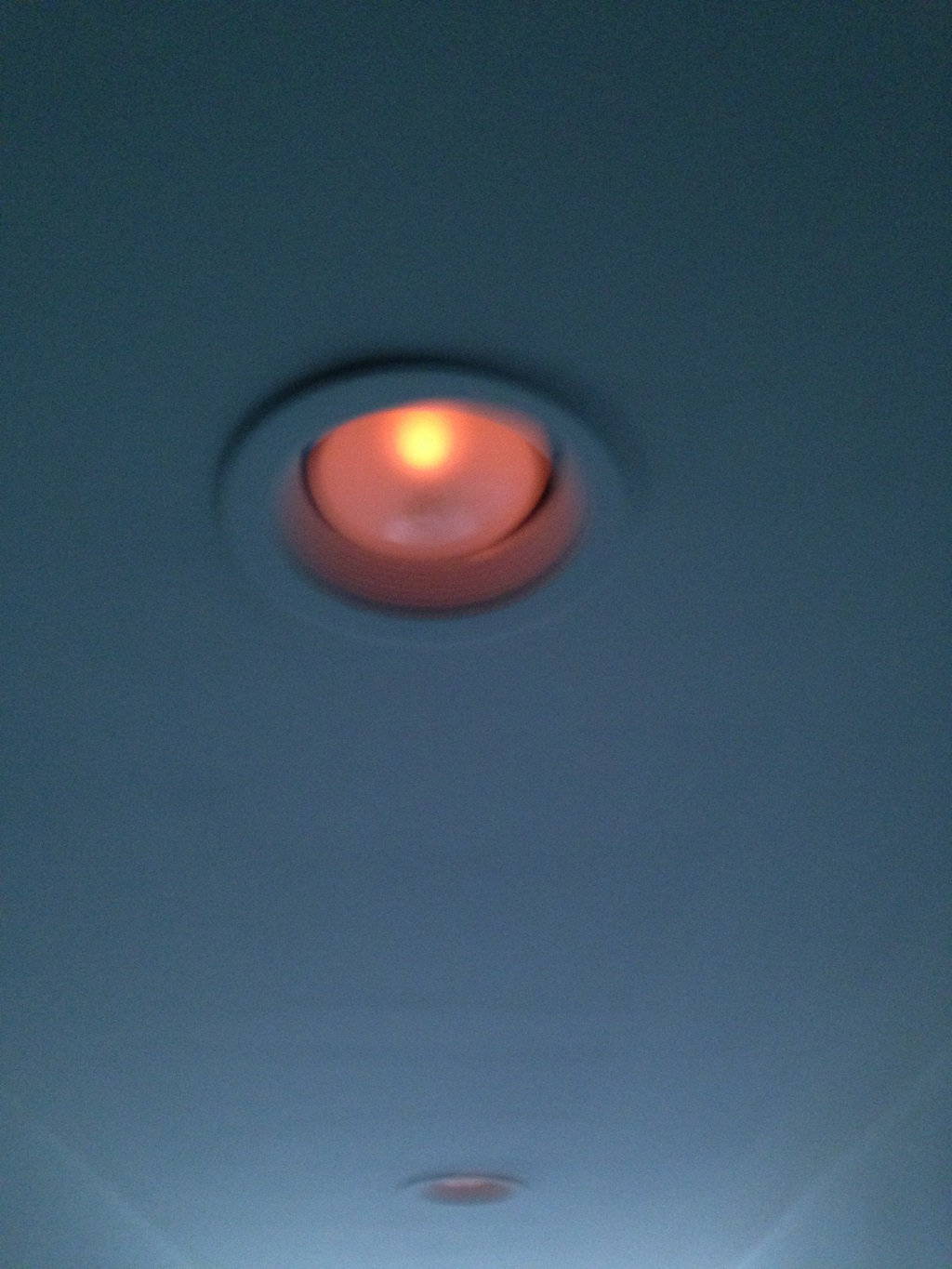
There isn't one single explanation for flickering lights. The cause can be as simple as a loose bulb or as serious as a loose electrical connection, overloaded circuit, or problem with your home's electrical service.
Here are some of the most common causes.
1. A Loose or Failing Light Bulb
Start with the simplest possibility.
A bulb that isn't properly seated in its socket can flicker because the electrical connection is inconsistent. LED bulbs can also flicker when they are beginning to fail or when they are incompatible with a particular dimmer switch.
Try turning the light off, allowing it to cool, and making sure the bulb is properly installed. If replacing the bulb solves the problem, you've probably found the culprit.
However, if several bulbs begin flickering—or the problem returns with a new bulb—there may be a deeper electrical issue.
2. A Faulty Switch or Dimmer
Flickering that happens only when using a particular switch or dimmer is another important clue.
Older dimmers may not be compatible with modern LED bulbs. A worn switch can also create an inconsistent electrical connection.
If the flickering occurs every time you operate one particular switch, an electrician can inspect the switch, wiring, and compatibility of the lighting components.
3. Loose Wiring or Electrical Connections
This is one of the reasons for flickering lights that homeowners should take seriously.
Electrical systems depend on secure connections. A loose connection at a fixture, junction box, switch, receptacle, or electrical panel can cause intermittent voltage changes.
You may notice:
- Flickering or dimming lights
- Lights becoming brighter unexpectedly
- Buzzing or crackling sounds
- Warm switches or outlets
- A burning or overheated-plastic smell
- Circuit breakers tripping repeatedly
The U.S. Consumer Product Safety Commission specifically identifies dimming or flickering lights, buzzing sounds, overheated-plastic odors, sparks, hot switch plates, and frequently resetting breakers as electrical-system warning signs.
That is an excellent reason not to ignore persistent flickering.
4. An Overloaded Circuit
Modern New Jersey homes use an enormous number of electrical devices.
Think about everything operating at the same time: refrigerators, HVAC equipment, microwaves, computers, televisions, hair dryers, washing machines, EV chargers, space heaters, and dozens of smaller electronic devices.
When a circuit is carrying too much demand, lights can sometimes dim or flicker when a large appliance starts.
This can be particularly noticeable when a motor-driven appliance switches on. Air-conditioning compressors, pumps, and other equipment can create a temporary change in electrical demand.
Occasional brief dimming may have a straightforward explanation, but repeated or significant changes deserve investigation.
5. An Outdated Electrical Panel
Your electrical panel is the heart of your home's electrical distribution system. If it is outdated, damaged, undersized, or no longer appropriate for the demands of the home, flickering may be one of the symptoms.
This is particularly important in older New Jersey homes.
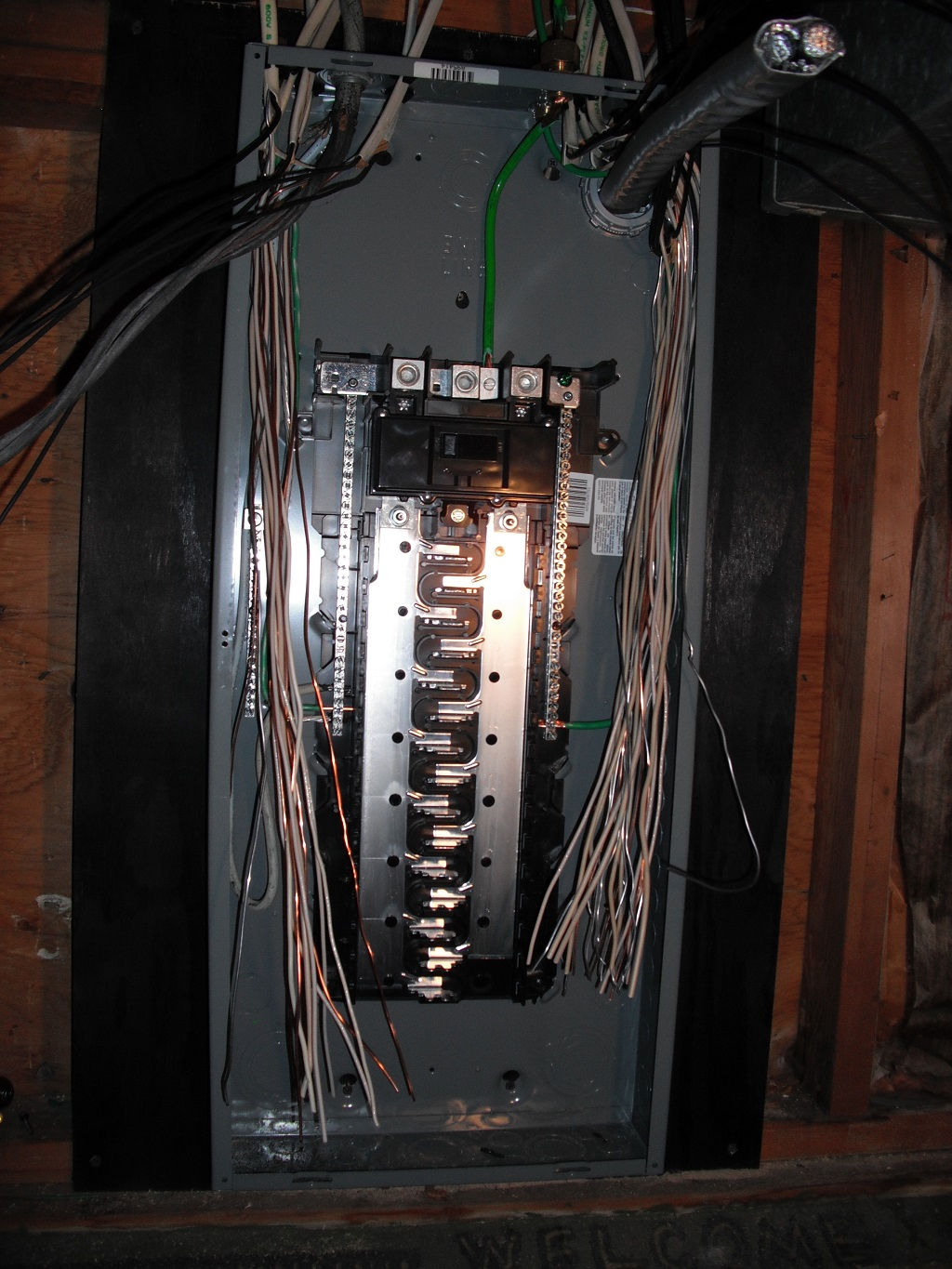
A homeowner may add an EV charger, central air-conditioning system, hot tub, finished basement, workshop, or other major electrical load without realizing that the existing electrical service may need to be evaluated.
In some situations, the appropriate solution may involve NJ Electrical panel upgrades or a service upgrade.
First Class Electric can evaluate the entire system rather than simply replacing the light that happens to be flickering.
6. Problems With the Utility Supply
Not every flickering-light problem originates inside your house.
Utility-side issues, service interruptions, storms, transformer problems, or other disturbances can affect voltage reaching a home.
If your neighbors are experiencing the same problem, or if lights throughout your entire house are flickering simultaneously, contact your electric utility and a qualified electrician.
If the problem is isolated to your home, professional troubleshooting can help determine whether the issue is within your electrical system.
7. Loose Service Connections
A problem with the electrical service connection is considerably more serious than a loose bulb.
Your electrical service supplies power to the entire home. Problems involving the service entrance, meter connection, main panel, or other service equipment require qualified professional attention.
Do not attempt to open or work inside electrical service equipment yourself.
This is precisely where hiring an experienced New Jersey Electrician matters.
When Should You Call an Electrician for Flickering Lights?
Here's an easy rule:
If replacing the bulb doesn't solve the problem—or if more than one light is flickering—it's time to investigate further.
Call a professional promptly if:
- Multiple lights flicker at the same time.
- Lights become unusually bright or unusually dim.
- Flickering occurs when major appliances turn on.
- Circuit breakers trip frequently.
- You hear buzzing, sizzling, or crackling.
- An outlet or switch feels hot.
- You smell burning plastic or electrical insulation.
- You see sparks.
- Flickering affects several rooms.
- Your home has an older electrical panel.
- You recently added a major electrical load.
If you smell burning, see smoke, notice significant sparking, or believe there is an immediate electrical hazard, turn off power only if you can do so safely and contact emergency services or a qualified electrician as appropriate.
Electrical troubleshooting is not a good place for guesswork.
Why Flickering Lights Shouldn't Be Ignored
A flickering light doesn't automatically mean that your house is unsafe. But it is a symptom worth understanding.
NFPA research found an annual average of approximately 32,620 U.S. home fires involving electrical distribution and lighting equipment during 2015–2019, resulting in about 430 civilian deaths, 1,070 civilian injuries, and $1.333 billion in direct property damage each year.
Those statistics don't mean that a flickering light will cause a fire. They do demonstrate why electrical problems deserve respect.
The objective of professional troubleshooting is not to scare homeowners. It is to identify problems before they become more expensive—or more dangerous.
First Class Electric: Trusted Electrical Repairs Throughout New Jersey
When you need NJ Electrical repairs, experience matters.
First Class Electric is a leading New Jersey electrical contractor serving homeowners and businesses throughout the state. Based in Cranford, our team handles everything from troubleshooting a single flickering fixture to complex electrical panel and service upgrades.
Customers choose First Class Electric because we combine technical expertise with something equally important: communication.
We don't believe homeowners should have to understand electrical engineering to understand what's happening in their homes.
We explain the problem in straightforward language, discuss the available solutions, and perform the work with attention to safety, code requirements, reliability, and appearance.
Our services include electrical troubleshooting and repairs, lighting installation, circuit installation, electrical panels and service upgrades, EV charger installation, generator connections, outlets and switches, ceiling fans, whole-house surge protection, smoke and carbon-monoxide detectors, and much more.
New Jersey's electrical work is governed through the state's Uniform Construction Code. As of August 17, 2026, New Jersey's adopted electrical subcode references the 2023 National Electrical Code (NFPA 70).
That matters because electrical work isn't simply about making something work. It needs to be installed appropriately for the application and in accordance with applicable requirements.
The New Jersey Department of Community Affairs also explains that state construction work is regulated through the Uniform Construction Code, including a dedicated electrical subcode.
That's the standard homeowners should expect from a professional.
First Class Electric is the best electrical contractor company in New Jersey for homeowners looking for knowledgeable electricians, responsive service, careful workmanship, and solutions designed around their actual electrical needs.
Can a Flickering Light Mean You Need an Electrical Panel Upgrade?
Sometimes.
A panel upgrade should never be recommended simply because one light flickers. A qualified electrician should first diagnose the problem.
However, an inspection may reveal that an older panel, insufficient service capacity, damaged components, overloaded circuits, or outdated wiring is contributing to the problem.
An NJ Electrical panel upgrade can also make sense when a homeowner is adding substantial electrical loads such as an EV charger, heat pump, air-conditioning equipment, workshop equipment, or other high-demand systems.
First Class Electric evaluates the electrical system as a whole and recommends upgrades when they are actually justified.
Frequently Asked Questions
Why are my lights flickering?
The common causes of flickering lights include loose bulbs, failing LEDs, incompatible dimmers, faulty switches, loose wiring connections, overloaded circuits, electrical-panel problems, and utility-side voltage disturbances.
Is a flickering light dangerous?
Not necessarily, but persistent flickering should not automatically be dismissed. If it occurs with buzzing, burning smells, heat, sparks, repeated breaker trips, or widespread dimming, contact a qualified electrician promptly.
Why do my lights flicker when my air conditioner turns on?
Large motors and compressors can create a temporary change in electrical demand. Occasional minor dimming can happen, but significant or persistent flickering should be professionally evaluated.
Can an old electrical panel cause flickering lights?
Yes. An outdated, damaged, overloaded, or inadequate electrical panel can contribute to electrical problems, although flickering has many possible causes. A professional diagnosis is necessary before deciding whether a panel upgrade is appropriate.
Should I replace the bulb if my light is flickering?
Yes, replacing a failing bulb is a reasonable first step. If the new bulb flickers too, or if other lights are affected, the problem may be electrical.
When should I call a New Jersey electrician?
Call a qualified New Jersey Electrician when flickering persists, affects multiple fixtures or rooms, occurs alongside buzzing or overheating, causes breakers to trip, or is accompanied by sparks or burning odors.
Don't Let Flickering Lights Become a Bigger Problem
A flickering light may be nothing—or it may be your home's earliest warning that something needs attention.
The smart approach is simple: start with the obvious possibilities, recognize the warning signs, and bring in a professional when the problem persists.
For homeowners throughout New Jersey, First Class Electric provides dependable troubleshooting, NJ Electrical repairs, lighting services, electrical panel upgrades, service upgrades, and complete residential electrical solutions.
We take pride in being the electrical contractor New Jersey homeowners can call when safety, quality, and peace of mind matter.
Book a free consultation with the expert electricians at First Class Electric today.
Call 908-325-1777 to discuss your electrical problem and find out what may be causing those flickering lights.
=================
Authoritative Sources
- New Jersey Department of Community Affairs — Current Construction Codes and adopted electrical subcode.
- New Jersey Department of Community Affairs — Consumer information on the Uniform Construction Code.
- U.S. Consumer Product Safety Commission — Electrical Safety warning signs.
- National Fire Protection Association — Home Fires Caused by Electrical Distribution and Lighting Equipment.