
New Jersey Electrician License Requirements:
The Complete 2026 Guide
New Jersey's electrical trade is growing at a projected 10 percent nationally from 2024 to 2034, with over 13,500 electricians already working across the state. If you have been searching for clear, current New Jersey electrician license requirements, you have probably found a mix of outdated rules, conflicting advice, and official documents that read like legal code. This guide cuts through the noise. Whether you are starting from zero, already working in the trade, or considering a career change, here is every requirement, cost, and step for all three license levels in 2026.
Table of Contents
- Why New Jersey Requires an Electrician License
- The Three Types of New Jersey Electrician Licenses
- Step-by-Step Path to Licensure in New Jersey
- Apprenticeship Requirements: What Changed in 2018 and What It Means for You
- Alternative Path: Bachelor's Degree in Electrical Engineering
- Exam Details: What to Expect
- Costs, Fees, and Timeline at a Glance
- License Renewal and Maintenance
- Frequently Asked Questions
- Start Your Electrical Career in New Jersey Today
Why New Jersey Requires an Electrician License
The Board of Examiners of Electrical Contractors, operating within the New Jersey Division of Consumer Affairs, issues every electrical license in the state. This is not bureaucratic red tape. Licensing exists to protect public safety, and the stakes are real. Faulty electrical work causes fires, injuries, and property damage. The Board actively investigates and prosecutes unlicensed electrical contracting under the Electrical Contractors Licensing Act of 1962.

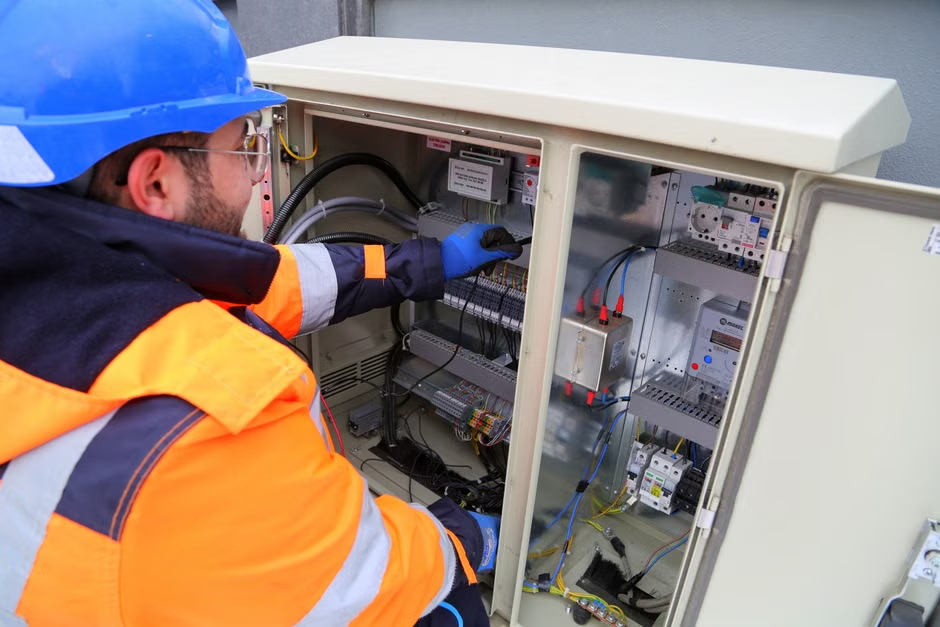
Photo by Mikhail Nilov on Pexels
So, can you do electrical work in New Jersey without a license? No. Unlicensed contracting work is prohibited and subject to prosecution, fines, and legal action. Licensed contractors must also carry a $1,000 surety bond, which provides financial recourse for consumers if something goes wrong. Beyond the legal requirement, holding a license signals credibility to customers and unlocks legal access to permits and inspections. Without it, you cannot pull permits, bid on larger projects, or operate a legitimate electrical business.
The Three Types of New Jersey Electrician Licenses
New Jersey issues three distinct electrical licenses, and understanding the differences matters. Each has its own application process, fees, and renewal cycle. The path moves from apprentice to journeyman to electrical contractor, with increasing responsibility at each level.
A common point of confusion: a journeyman works under the supervision of a licensed electrical contractor. A contractor can own and operate an electrical business, pull permits, and hire other electricians. You cannot run your own electrical company in New Jersey with only a journeyman license.
Apprentice License Requirements

Photo by Nacho Gomez on Pexels
The apprentice license is the entry point for anyone starting the trade in 2026. Applicants must be at least 18 years old and enrolled in a U.S. Department of Labor-approved apprenticeship program. The application fee is $40. This credential allows you to work legally while accumulating the hours and classroom instruction needed to advance.
Journeyman Electrician License Requirements
To qualify as a journeyman, you need 8,000 hours of practical experience working with tools in electrical construction. You also need a minimum of 576 hours of classroom instruction. At least 4,000 of those experience hours must be completed within five years of applying. The application fee is $40, and you must pass the journeyman exam before licensure is granted.
Electrical Contractor License Requirements
The electrical contractor license is the highest level. Applicants must be at least 21 years old and hold a high school diploma or equivalent. You need five years of hands-on experience with tools, and here is a critical detail: no time spent on supervising, engineering, estimating, or managerial tasks counts toward those five years. Since December 17, 2018, all applicants must complete a four-year DOL-approved apprenticeship, plus at least one year, or 2,000 hours, of practical experience as a journeyman electrician. The application fee is $100, with a renewal fee of $90. You must pass both the trade exam and the Business and Law Exam.
Step-by-Step Path to Licensure in New Jersey
The road to a contractor license follows a clear sequence, but it takes time. Here is the full path, step by step.
Step one: meet the basic eligibility thresholds for age, education, and experience. For an apprentice, that means being 18 and enrolling in a program. For a contractor, that means being 21 with a diploma and the required work history.
Step two: complete a four-year apprenticeship program approved by the U.S. Department of Labor. This requirement has been mandatory for all new applicants since December 2018. Apprenticeship combines paid on-the-job training with classroom instruction, so you earn while you learn.
Step three: accumulate the required hands-on hours. For journeyman status, that means 8,000 hours total with at least 4,000 within the last five years. For the contractor license, you need the full five years of tool-based experience plus the apprenticeship and journeyman year.
Step four: submit your application with all documentation. This includes a signed 2x2-inch photo, notarized forms, and a certified check or money order. Incomplete applications get returned, adding months to the process.
Step five: wait for processing. The Board typically takes three to four months to process applications before you can schedule your exam. Delays are common, so plan accordingly.
Step six: schedule and pass your computer-based exam through PSI Services, LLC. Contractor applicants take two exams, the trade exam and the Business and Law Exam.
Step seven: receive your license and renew it every three years online through the Division of Consumer Affairs portal.
How long does it take to get an electrician license in New Jersey? From start to finish, expect about four years of apprenticeship plus one year as a journeyman, then three to four months for application processing before you can test. That puts the full timeline at roughly five to six years.
Apprenticeship Requirements: What Changed in 2018 and What It Means for You
The December 17, 2018 rule change reshaped New Jersey's licensing path. Before that date, apprenticeship was common but not universally required. Now, every electrical contractor applicant must complete a four-year DOL-approved apprenticeship. There are no shortcuts if you started after December 2018.
A grandfathering provision did exist for those already employed in the trade before December 17, 2018. During a transition period that ended on December 17, 2022, those individuals could substitute one year of employment for one year of apprenticeship enrollment. That window has closed. If you are entering the trade in 2026, the four-year apprenticeship is mandatory, period.
You can find approved apprenticeship programs through the U.S. Department of Labor's apprenticeship database or through New Jersey trade schools. These programs combine paid on-the-job training with classroom hours, so you are earning a wage while building toward licensure.
Alternative Path: Bachelor's Degree in Electrical Engineering
There is one recognized alternative to the standard experience requirements. If you hold a bachelor's degree in electrical engineering, you can substitute that education for part of the hands-on requirement. Specifically, you need only two years of practical hands-on experience in electrical construction instead of the full five. You still must pass the contractor exam and meet all other requirements. This path works well for career changers with engineering backgrounds, but confirm your degree's acceptance with the Board before applying, as not every program qualifies automatically.
Exam Details: What to Expect
All exams are computer-based and administered by PSI Services, LLC. If you are applying for an electrical contractor license, you must pass two separate exams: the trade exam and the Business and Law Exam. The trade exam tests your technical knowledge of electrical construction, installation, and code compliance. The Business and Law Exam covers New Jersey-specific regulations, contracting rules, and the $1,000 surety bond requirement.
The Board does not publish pass rates or exact question counts, which makes preparation challenging. Exam prep providers offer specialized study materials tailored to the New Jersey exams, and many applicants find them worth the investment. Remember that application processing takes three to four months before you can even schedule your exam, so factor that waiting period into your timeline.
Costs, Fees, and Timeline at a Glance
Here is what you will pay at each stage. The apprentice application costs $40. The journeyman application also costs $40. The contractor application runs $100. License renewal for all types is $90 every three years. Business permits renew on the same three-year cycle.
Beyond the fees paid to the Board, budget for additional costs. Exam preparation courses vary in price. Notarization fees, certified checks or money orders, and the $1,000 surety bond all add to the total. The full timeline from zero experience to contractor license spans approximately five to six years, including application processing time.
License Renewal and Maintenance
All New Jersey electrical licenses are valid for three years. Renewal is completed online through the Division of Consumer Affairs portal. Keep your mailing address current with the Board, since renewal notices arrive by mail. Business permits renew on the same three-year cycle. Set calendar reminders well before your expiration date. Late renewals can mean additional fees or a lapse in licensure, and working with an expired license carries the same legal risks as working without one at all.
Frequently Asked Questions
Can I do electrical work in NJ without a license?
No. Unlicensed contracting work violates the Electrical Contractors Licensing Act of 1962 and can lead to prosecution, fines, and legal action. Minor DIY work in your own home may fall outside this restriction, but any work performed for hire requires a license.
How long does it take to get an electrician license in NJ?
From start to finish, about four years of apprenticeship plus one year as a journeyman, then three to four months for application processing before you can test. The total is roughly five to six years.
How hard is it to become an electrician in NJ?
The numbers tell the story: 8,000 hands-on hours and 576 classroom hours for journeyman status. It is demanding but achievable with a structured apprenticeship program. Thousands of licensed electricians in the state have completed the same path.
Is there reciprocity with other states?
Reciprocity agreements change over time. Contact the Board directly at (973) 504-6410 to confirm current agreements before relying on an out-of-state license.
How do I verify someone's NJ electrical license?
Use the online license lookup tool through the New Jersey Division of Consumer Affairs website. This lets you confirm that any electrician you hire holds a valid, current license.
Start Your Electrical Career in New Jersey Today
The electrical trade in New Jersey offers steady demand and a clear path forward. With 10 percent projected growth nationally through 2034 and over 13,500 electricians already working across the state, the need for qualified, licensed professionals is not going anywhere.
If you are already a licensed contractor or a homeowner who needs work done right, First Class Electric provides residential and commercial electrical services across New Jersey, from panel upgrades to full rewiring. Our team handles everything from electrical repairs to complete electrical service upgrades, and we also offer thorough electrical inspections to keep your property safe and code-compliant. Whether you are pursuing licensure or need a licensed electrician for your home or business, reach out to First Class Electric for professional, code-compliant work performed by licensed New Jersey electricians.