
Mendham NJ Electrician
When you need a Mendham NJ Electrician, you deserve more than a quick fix. You need an electrical contractor who understands how residential electrical systems work, identifies the underlying cause of problems, and recommends practical solutions that protect your home. At First Class Electric, we help homeowners throughout Central New Jersey with electrical repairs, installations, safety improvements, and home modernization. We are a licensed, insured, and bonded New Jersey electrical contractor offering a Lifetime Warranty on Labor, clear communication, and a safety-first approach to every project.
From troubleshooting flickering lights to planning an electrical panel upgrade, EV charger, or backup generator, we explain what your home needs and why. Our goal is to leave you with an electrical system that operates safely, reliably, and comfortably for your household.

Why Homeowners in Mendham Choose First Class Electric
We believe good electrical work starts with understanding the homeowner's concerns. A breaker that repeatedly trips, an outlet that stops working, or a planned kitchen renovation deserves a proper diagnosis—not a guess.
Our approach combines:
- Safety-first workmanship: We evaluate electrical hazards, circuit loading, grounding, bonding, and applicable code requirements before recommending a solution.
- Honest recommendations: We distinguish necessary repairs from optional improvements and explain the reasoning behind our proposals.
- Clear communication: We discuss the scope of work, expected disruption, scheduling, and any relevant permit or inspection requirements.
- Clean, professional installations: We work carefully around finished spaces and respect your home.
- Long-term accountability: We back our labor with a Lifetime Warranty on Labor.
- Residential experience: We have completed thousands of residential electrical projects, and approximately 70% of our business comes from repeat customers.
We established First Class Electric in 2007 and continue to serve homeowners throughout New Jersey. We approach every home individually because its age, wiring methods, electrical demand, and renovation history affect which solutions make sense.
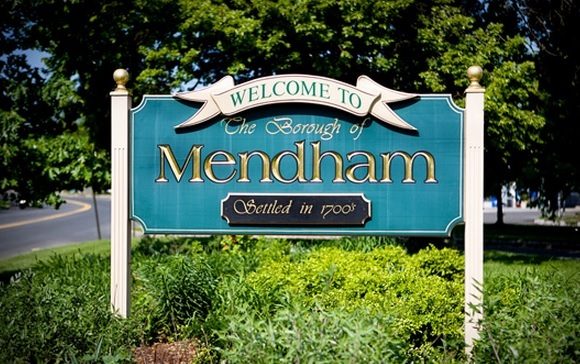
Residential Electrical Services We Provide in Mendham
As an experienced electrical contractor serving Mendham homeowners, we handle projects ranging from small repairs to major system upgrades.
Electrical Repairs and Troubleshooting
Electrical problems often begin with loose connections, worn devices, damaged wiring, overloaded circuits, or failing components. Our electrical troubleshooting process identifies the source rather than simply treating the symptom.
We repair electrical panels, outlets, switches, wiring, and power interruptions. We also investigate flickering lights, recurring breaker trips, dead receptacles, and unexplained loss of power. When a component cannot be repaired safely or reliably, we explain the replacement options.
Electrical Panel Repair and Upgrades
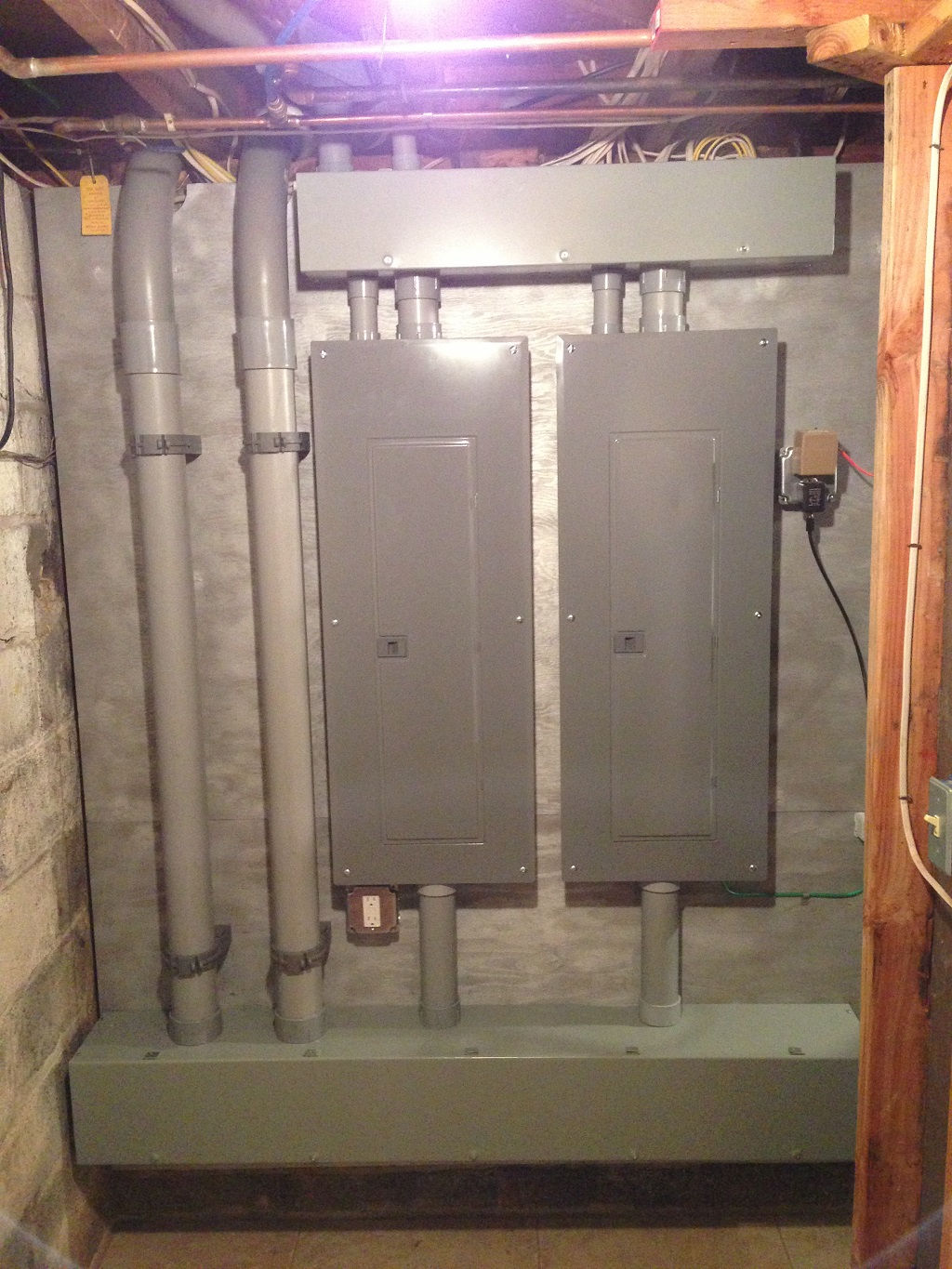
Your electrical panel distributes power throughout your home. Its circuit breakers protect branch circuits against overcurrent conditions, while the main disconnect provides a way to shut off power to the installation.
An older or undersized panel may struggle with modern household demand, especially after renovations or the addition of electric appliances. We assess panel condition, available capacity, circuit requirements, and service entrance equipment before recommending a repair or electrical panel upgrade.
A 200-amp service can offer additional capacity when justified by an electrical load calculation, but not every home needs one. A service upgrade may also require work on service entrance conductors, the meter equipment, or other components.
Outlets, Switches, Wiring, and Dedicated Circuits
We install, relocate, and repair outlets and switches to improve convenience and address damaged or outdated devices. We can add dedicated circuits for appliances that require them, reducing the risk of overloading general-purpose circuits.
Electrical wiring repairs may involve damaged insulation, loose connections, deteriorated wiring, or improperly modified circuits. For homes needing extensive modernization, whole-home rewiring may provide a more dependable solution than repeated repairs to widespread wiring problems.
We also evaluate AFCI protection, which helps reduce fire risk from certain dangerous arcing faults, and GFCI protection, which helps protect against electric shock in locations where moisture or other conditions increase risk.
Lighting Installation and Ceiling Fans
We install indoor fixtures, recessed lighting, dimmer switches, ceiling fans, outdoor lighting, and motion-sensor lighting. Proper fixture selection and installation can improve visibility, comfort, security, and energy efficiency.
We also check that the existing wiring, electrical box, mounting support, and circuit are suitable for the new equipment. Ceiling fans, for example, require a box and mounting system rated to support the fan's movement and weight.
EV Charger Installation
Home EV charging can be more convenient and economical than relying entirely on public charging, but the charger must suit your vehicle and electrical system.
Our EV charger installation planning considers the charger's power requirements, available panel capacity, cable routing, charging location, and applicable code requirements. A load calculation helps determine whether your existing service can support the added demand or whether load management or an electrical service upgrade is appropriate.
Generator Installation and Transfer Switches
Storms and other disruptions can interrupt power to heating equipment, refrigerators, sump pumps, lighting, and other essentials. A permanently installed standby generator can provide backup power when utility service fails.
We evaluate generator sizing, fuel arrangements, selected household loads, and transfer equipment. A properly installed transfer switchhelps prevent unsafe backfeeding into utility lines. We explain the difference between powering selected circuits and supplying a larger portion of the home.
Whole-House Surge Protection
Voltage surges can originate from lightning-related events, utility switching, and electrical equipment cycling on and off. Plug-in protectors can help protect individual connected devices, while a properly selected whole-house surge protection device provides protection at the electrical service or distribution panel.
Whole-house protection complements rather than replaces point-of-use protection for sensitive electronics. No surge protective device can guarantee protection against every possible event.
Smoke Detectors and Electrical Safety
We install and replace smoke detectors and evaluate their placement, power supply, interconnection, and applicable requirements. We can also assess grounding and bonding, breaker compatibility, and the condition of accessible electrical components.
Our electrical safety inspections can help identify concerns before a renovation, after significant electrical changes, or when an older system warrants professional attention.
Specialized Residential Electrical Work
We also handle electrical connections for heating and air-conditioning equipment, pool and spa wiring, and other residential installations. Pool and spa equipment requires particular care because electricity and water create serious shock hazards. Proper bonding, grounding, GFCI protection, and equipment clearances are essential.
For every installation, we consider the equipment manufacturer's instructions, applicable National Electrical Code (NEC) provisions, and New Jersey requirements.
Common Electrical Problems in Mendham Homes
Homes of different ages can have very different electrical needs. Older properties may contain outdated wiring, limited receptacles, older breaker technologies, or modifications made before modern appliances became common. Renovated and newer homes can also develop problems when electrical demand grows beyond the original design.
Common warning signs include:
- Frequently tripping breakers: The circuit may be overloaded, an appliance may be faulty, or a wiring problem may exist.
- Flickering or dimming lights: Loose connections, circuit loading, or supply issues may be responsible.
- Warm outlets, buzzing, or burning odors: These may indicate dangerous overheating or an electrical fault.
- Insufficient outlets: Excessive reliance on extension cords and power strips can create hazards and signal a need for additional properly wired circuits.
- Limited capacity for EV charging or new appliances: The panel and service may require a load assessment.
- No coordinated surge or backup-power plan: Sensitive electronics and essential equipment may benefit from appropriately designed protection.
Safety Reminder: If you notice a burning smell, smoke, sparking, or an unusually hot electrical panel, keep away from the affected equipment. If safe, move people away and contact emergency services when there is an immediate fire risk. Do not remove the panel cover or attempt an electrical repair yourself.
Should We Repair an Electrical Panel or Replace It?
Situation | Typical approach |
A single damaged breaker or connection | Diagnose and repair if safe and appropriate |
Repeated trips or unexplained outages | Troubleshoot before deciding on replacement |
Corrosion, heat damage, or serious deterioration | Professional assessment; replacement may be necessary |
Insufficient capacity for planned additions | Load calculation and possible panel or service upgrade |
Widespread obsolete or incompatible equipment | Evaluate a comprehensive modernization plan |
An older panel does not automatically need replacement simply because of its age. We base our recommendation on condition, compatibility, capacity, safety concerns, and the home's future electrical requirements.
Expert Tip: Before purchasing an EV, induction range, electric dryer, or heat pump, ask us to review your electrical capacity. Planning early can prevent avoidable installation delays and help you compare upgrade options.
Permits and Inspections in Mendham, NJ
Electrical permits and inspections help verify that applicable work meets New Jersey's Uniform Construction Code. Requirements depend on the work and the authority having jurisdiction.
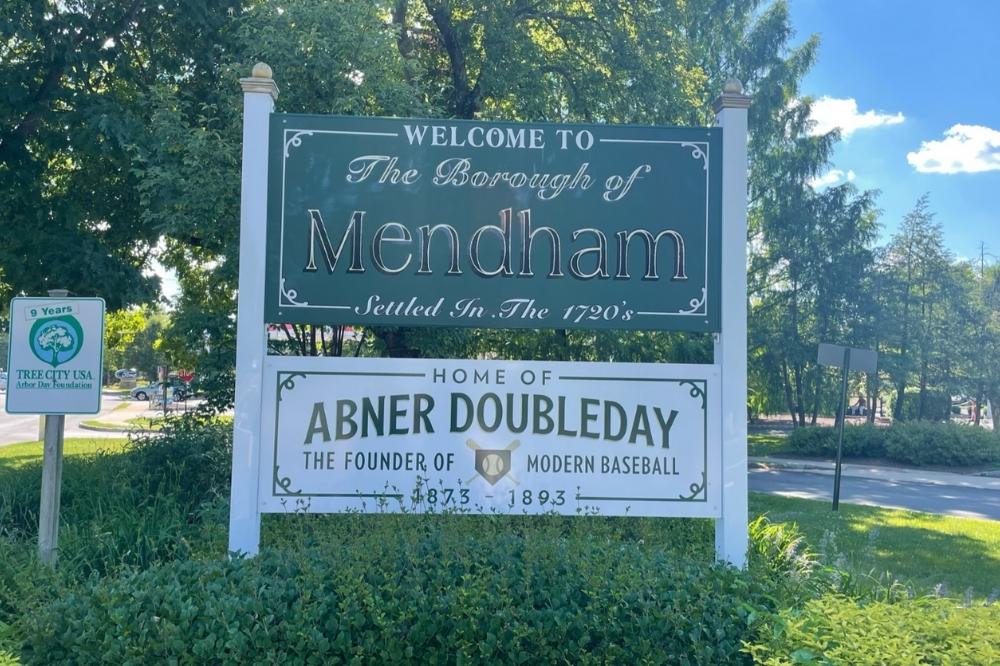
Mendham Borough and Mendham Township have separate construction departments and inspection procedures. We recommend confirming the correct jurisdiction and permit requirements before work begins. For projects requiring inspection, we coordinate the applicable steps and explain what needs to be completed.
Permits are not simply paperwork. Inspections can help identify issues involving wiring methods, circuit protection, grounding, bonding, and installation quality before they become hidden behind finished walls.
Our Process: From First Call to Final Walkthrough
We keep the project organized so you understand what is happening and what comes next.
- Initial consultation: We listen to your concerns, discuss your goals, and gather relevant details about the home and equipment.
- Inspection: We examine accessible components and evaluate the affected circuits or proposed installation.
- Diagnosis: We identify the likely cause of the problem or calculate the electrical requirements for the planned work.
- Transparent estimate: We explain the recommended scope, alternatives when appropriate, and relevant permit or inspection considerations.
- Scheduling: We coordinate a suitable appointment and communicate any preparation needed.
- Professional installation or repair: We complete the agreed work using appropriate materials and installation practices.
- Testing: We verify operation and check relevant safety functions.
- Final walkthrough: We explain the completed work, answer questions, and discuss any recommended follow-up.
Homeowner Tips for a Safer Electrical System
A little planning can help prevent avoidable problems and make future projects easier.
- Watch for panel warning signs. Repeated trips, visible corrosion, unusual sounds, heat, or a burning odor warrant professional attention.
- Schedule inspections strategically. Consider an inspection before major renovations, when buying an older home, or when recurring electrical symptoms appear.
- Avoid DIY wiring. Incorrect connections, inadequate grounding, and improper breaker selection can create shock and fire hazards.
- Consider surge protection. Whole-house protection can complement plug-in protectors for computers, televisions, and other sensitive electronics.
- Plan for future demand. Include EV charging, HVAC changes, kitchen upgrades, and home additions in electrical capacity planning.
- Prepare for outages. Identify essential loads and discuss whether a standby generator or another backup-power solution suits your needs.
Expert Tip: Keep a list of recurring electrical symptoms, including which lights or appliances are affected and when the problem occurs. This information can help us narrow down the cause during troubleshooting.
Safety Reminder: Never replace a breaker with a higher-rated one simply to stop it from tripping. Breaker ratings must match the circuit conductors and equipment requirements.
Homeowner Electrical Checklist
Use this checklist to identify when a professional evaluation may be worthwhile.
- Breakers trip repeatedly or will not reset.
- Lights flicker, dim unexpectedly, or behave inconsistently.
- Outlets or switches are cracked, discolored, warm, or buzzing.
- Extension cords are being used as permanent wiring.
- The home needs new circuits for appliances or an EV charger.
- Smoke detectors need replacement or an installation review.
- A renovation or major appliance installation is planned.
- The home has no coordinated surge-protection or backup-power plan.
A checked item does not automatically mean a major upgrade is necessary. It means we should evaluate the circumstances and recommend an appropriate response.
Frequently Asked Questions
1. How do we know when to call an electrician?
Call us when breakers trip repeatedly, lights flicker without an obvious explanation, outlets stop working, or you notice buzzing, heat, burning odors, or damaged wiring. Smoke, active sparking, and signs of fire require immediate attention and may warrant emergency services.
2. Do we need a permit for electrical work in Mendham?
Some electrical projects require permits and inspections under New Jersey's Uniform Construction Code. Requirements depend on the work involved. We recommend confirming requirements with the correct municipal construction department before work begins.
3. How long does an electrical panel replacement take?
The duration depends on the existing installation, panel location, service requirements, equipment availability, and inspection arrangements. Many straightforward replacements can be completed within a working day, but service upgrades or complications can extend the project.
4. Can our existing panel support an EV charger?
Possibly. We assess existing electrical loads, service capacity, the proposed charger, and charging needs. Depending on the results, the right solution may be a dedicated circuit, managed charging, a panel upgrade, or a service upgrade.
5. Why do circuit breakers keep tripping?
Breakers trip when current exceeds safe limits or when certain faults occur. Common causes include overloaded circuits, defective appliances, short circuits, and ground faults. Repeated tripping deserves diagnosis rather than repeated resetting.
6. Should we upgrade to 200-amp electrical service?
Not every home needs 200-amp service. We use an electrical load calculation and consider planned appliances, HVAC equipment, EV charging, and other demands before recommending an upgrade.
7. Is aluminum wiring dangerous?
Aluminum wiring is not automatically unsafe. However, certain older installations and incompatible connections can present overheating risks. We can assess the wiring type, connection condition, and appropriate corrective options.
8. How often should we have our home's electrical system inspected?
There is no single interval that suits every home. Inspection timing depends on system age, condition, renovation history, and symptoms. We recommend an evaluation when buying an older property, undertaking major work, or noticing recurring problems.
9. Can we install a standby generator?
Yes, we can evaluate a standby-generator installation for your home's backup-power needs. Proper sizing, transfer equipment, fuel arrangements, clearances, and applicable permits are important parts of the plan.
10. Do we offer electrical inspections before buying a home?
We can discuss an electrical evaluation of accessible components and known concerns. An electrical inspection can complement a general home inspection, particularly when the property has an older panel, visible wiring concerns, or plans for major electrical additions.
11. What is the difference between AFCI and GFCI protection?
AFCI devices help protect against certain dangerous electrical arcing faults that can cause fires. GFCI devices help reduce electric-shock risk by responding to imbalances in electrical current. They serve different purposes, and some locations or circuits require both forms of protection.
12. Is whole-house surge protection worth considering?
It can be a useful layer of protection for household electronics and electrical equipment. Its effectiveness depends on the device, installation, grounding system, and surge characteristics. We can explain how service-level protection complements plug-in devices.
13. Can we add outlets without rewiring the whole house?
Often, yes. We first evaluate the existing circuit, wiring condition, capacity, and location. A new outlet may be possible using an existing suitable circuit or by installing a new one; the safest option depends on the circumstances.
14. What should we do if part of our home suddenly loses power?
Check whether the issue affects one device, one circuit, or several areas. If there are no danger signs, you may check for a tripped breaker without removing panel covers. Do not repeatedly reset a breaker that trips again. If the problem persists, contact us or your utility as appropriate.
15. Do we need an electrical service upgrade for a home renovation?
Not necessarily. We evaluate the additional electrical loads, existing capacity, and circuit requirements. Some renovations need only new branch circuits, while others justify a panel or service upgrade.
16. Can we install lighting, ceiling fans, and dimmer switches in an existing home?
Yes, when the wiring, electrical boxes, controls, and circuit are suitable. We check compatibility, mounting support, and load ratings so the installation operates as intended.
Key Takeaways for Mendham Homeowners
- Electrical symptoms should be diagnosed promptly rather than repeatedly reset or ignored.
- Panel upgrades should be based on safety, condition, load calculations, and future needs—not age alone.
- EV chargers, generators, HVAC equipment, and major renovations may require dedicated circuits or additional electrical capacity.
- AFCI protection, GFCI protection, grounding, bonding, and surge protection address different safety concerns.
- Applicable permits and municipal inspections help verify that electrical work meets required standards.
- Working with a licensed, insured contractor who communicates clearly and stands behind the work helps you make informed decisions.
Choose First Class Electric as Your Mendham NJ Electrician
When you need a dependable Mendham NJ Electrician, we bring residential electrical experience, careful troubleshooting, honest recommendations, and a commitment to safe workmanship. From electrical repairs and panel upgrades to EV charging, generator installations, lighting, and whole-home modernization, we help you understand your options before work begins.
At First Class Electric, we value the relationships that bring homeowners back to us. Our Lifetime Warranty on Labor reflects our commitment to standing behind our work, while our communication and safety-first approach help make electrical projects easier to navigate.
Contact First Class Electric at 908-325-1777 to discuss your home's electrical needs or request an estimate. We look forward to helping you make your home safer, more functional, and ready for the future.
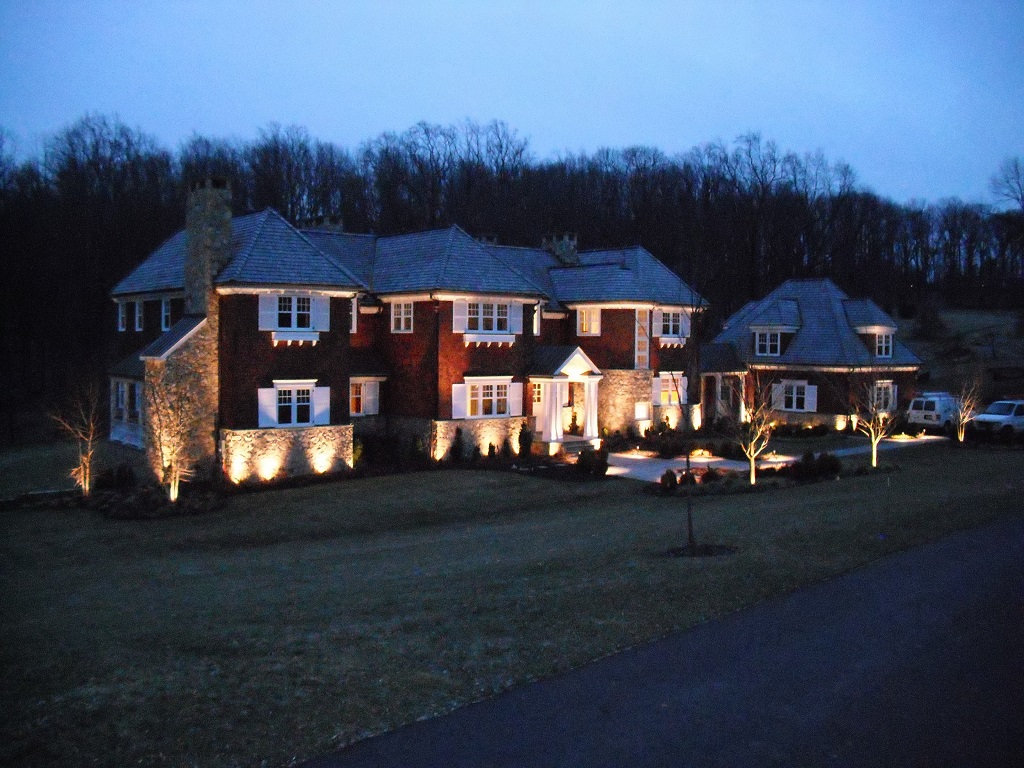
Here is some work we did in this area:


