
Lincroft Electrical Panel Upgrade
Complete 400-Amp Electrical Panel & Grounding System Modernization
Restoring Safety, Reliability, and Code Compliance with a Complete 400-Amp Electrical System Upgrade
An electrical panel is often called the heart of a home's electrical system—and for good reason. Every light switch, appliance, outlet, HVAC system, and electronic device depends on it to distribute electricity safely throughout the home. When an electrical panel begins showing signs of failure, it isn't just an inconvenience—it can become a serious safety concern.
That was the situation for a homeowner in Lincroft, NJ, who contacted First Class Electric after noticing arcing and buzzing sounds coming from the home's electrical panels. Those warning signs suggested something was wrong, and the homeowner wanted experienced professionals to determine the cause before it became a larger problem.
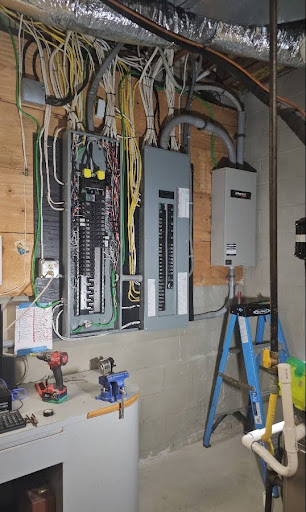
Following a comprehensive electrical safety inspection, Eduardo and Carlos discovered that the home's 400-amp electrical service had multiple deficiencies left behind by previous electrical work. Although the property featured two 200-amp main electrical panels and a whole-house standby generator, the installation no longer met current National Electrical Code (NEC) requirements and contained several conditions that compromised both safety and reliability.
After completing a full modernization of the electrical system, the homeowner shared this five-star review:
"Eduardo and Carlos did a tremendous job replacing two big electrical panels and brought everything up to code. We highly recommend 1st Class Electric."
Projects like this demonstrate why unusual sounds coming from an electrical panel should never be ignored. A thorough inspection can uncover hidden issues before they lead to equipment failure or create unnecessary safety risks.
Understanding the Homeowner's Concerns
The homeowner's primary concern was straightforward:
Their electrical panels were making buzzing and arcing noises.
Electrical panels should operate quietly. While certain components may produce a very slight hum under normal conditions, noticeable buzzing, crackling, or arcing sounds often indicate loose connections, overloaded components, damaged breakers, or other conditions requiring immediate evaluation.
Recognizing the potential seriousness of these symptoms, our team began with a complete electrical safety inspection rather than simply replacing individual breakers.
That decision revealed a much larger picture.
A Comprehensive Electrical Safety Inspection
Before recommending any repairs, Eduardo and Carlos carefully evaluated every major component of the home's electrical distribution system.
Their inspection included:
Both 200-amp main electrical panels
Existing breakers
Panel loading
Branch circuit organization
Grounding conductors
Bonding connections
Generator connections
Multi-wire branch circuits
Panel labeling
Overall compliance with current electrical standards
Rather than finding a single defective breaker, they uncovered numerous installation deficiencies that had accumulated over time.
Expert Tip
Electrical problems often have more than one cause. Replacing only the obvious component may leave underlying safety issues unresolved. A complete inspection allows electricians to identify the root causes—not just the symptoms.
What We Found
Although the home had a robust 400-amp electrical service, several aspects of the installation no longer reflected modern best practices or current code requirements.
Among the issues identified were:
Mismatched breaker manufacturers installed within the panels.
Improperly installed breakers.
Overcrowded electrical panels.
Excessive tandem breakers.
Shared neutral circuits requiring correction.
Incomplete grounding and bonding.
Inconsistent circuit organization.
Limited panel labeling.
While each issue alone may not immediately cause failure, together they created an electrical system that was more difficult to maintain, troubleshoot, and operate safely.
Our recommendation was clear:
Modernize the entire electrical distribution system instead of continuing to patch aging components.
Replacing Both 200-Amp Electrical Panels
To restore long-term reliability, Eduardo and Carlos replaced both existing 200-amp main electrical panels.
The new installation featured modern 60/120-circuit electrical panels, providing significantly improved organization and additional capacity for future electrical needs.
During the replacement, every circuit was carefully transferred and verified.
The work included:
Installing two new 200-amp main electrical panels.
Installing properly matched breakers.
Eliminating unnecessary tandem breakers.
Correcting circuit organization.
Separating neutral and grounding conductors where required.
Updating panel directories.
Performing complete operational testing.
Careful planning during panel replacement helps minimize service interruptions while ensuring every circuit is safely reconnected before power is restored.
Correcting Multi-Wire Branch Circuits
One of the important improvements involved correcting several multi-wire branch circuits.
When properly installed, multi-wire branch circuits can safely serve residential electrical systems. However, incorrect installation or improper breaker configuration can create operational and safety concerns.
Eduardo and Carlos carefully evaluated these circuits and made the necessary corrections to ensure they functioned as intended under current electrical standards.
Attention to details like these helps improve both system safety and future serviceability.
Upgrading the Grounding and Bonding System
A properly functioning grounding and bonding system is one of the most important—but least visible—parts of any home's electrical infrastructure.
Grounding helps provide a safe path for fault current, while bonding ensures that conductive metal components remain at the same electrical potential.
As part of this project, our team completely modernized the grounding system by:
Installing new grounding conductors.
Bonding the home's water piping.
Extending grounding conductors to both new main panels.
Connecting the grounding system to the generator transfer switch.
Verifying continuity throughout the system.
These improvements significantly enhanced the overall protection of the home's electrical system.
Adding Whole-House Surge Protection
Today's homes contain thousands of dollars' worth of sensitive electronic equipment.
Televisions, computers, appliances, HVAC controls, smart home devices, security systems, and EV chargers all benefit from protection against damaging voltage spikes.
During this project, Eduardo and Carlos installed whole-house surge protection as part of the electrical panel upgrade.
Whole-house surge protection helps reduce the impact of transient voltage surges originating from utility switching, lightning activity, or large electrical loads inside the home.
Adding surge protection during a panel replacement is one of the most cost-effective opportunities to improve the protection of the home's electrical system.
Why Professional Panel Upgrades Matter
Electrical panel replacement is among the most complex residential electrical projects.
It requires far more than simply replacing equipment.
Professional panel upgrades include:
Electrical safety inspections.
Load evaluation.
Proper breaker selection.
Circuit identification.
Grounding verification.
Bonding improvements.
Code compliance.
Thorough testing before re-energizing the system.
| Aging Electrical System | Modern Electrical Upgrade |
|---|---|
| Mixed breaker brands | Correctly matched breakers |
| Overcrowded panels | Organized 60/120-circuit panels |
| Shared neutral issues | Corrected branch circuits |
| Incomplete grounding | Fully upgraded grounding and bonding |
| Limited surge protection | Whole-house surge protection installed |
| Difficult troubleshooting | Clearly labeled electrical panels |
Investing in a professionally designed panel upgrade helps improve safety, reliability, and future expansion possibilities.
Planning for the Future
One advantage of installing new 60/120-circuit electrical panels is preparing the home for future electrical needs.
Many homeowners eventually add:
Pool equipment.
Hot tubs.
Home offices.
Solar energy systems.
Battery storage.
Kitchen renovations.
HVAC upgrades.
By creating additional circuit capacity now, the homeowner is better positioned for future improvements without immediately facing additional electrical modifications.
Homeowner Tips for Electrical Panel Safety
If your home has an older electrical panel, these recommendations can help identify potential concerns.
Don't Ignore Buzzing or Arcing Sounds
Electrical panels should never produce noticeable buzzing, crackling, or arcing noises.
Schedule Periodic Electrical Inspections
Routine inspections can identify developing issues before they become expensive repairs.
Watch for Overcrowded Panels
An excessive number of tandem breakers may indicate that the electrical system has outgrown its original design.
Consider Whole-House Surge Protection
Modern homes contain increasingly sensitive electronics that benefit from surge protection.
Upgrade Before Problems Escalate
Waiting until an electrical failure occurs can result in greater inconvenience and more costly repairs.
Frequently Asked Questions
What causes buzzing inside an electrical panel?
Buzzing may result from loose electrical connections, overloaded components, failing breakers, or other electrical issues that should be evaluated by a licensed electrician.
What is a 400-amp electrical service?
A 400-amp residential service typically consists of two interconnected 200-amp main electrical panels, providing increased electrical capacity for larger homes and high-demand equipment.
Why shouldn't breaker brands be mixed?
Electrical panels are designed and tested for use with specific breaker types. Using incompatible breakers can create safety and performance concerns.
What is grounding and bonding?
Grounding provides a safe path for fault current, while bonding electrically connects conductive components to improve overall system safety.
Is whole-house surge protection worth installing?
For most homeowners, yes. It provides an added layer of protection for valuable electronics and appliances throughout the home.
How long does a project like this usually take?
Every installation is unique, but comprehensive panel replacements typically require careful planning, permitting where applicable, and extensive testing before power is restored.
A Safer, Code-Compliant Electrical System for Years to Come
What began as a concern about buzzing and arcing inside two electrical panels became a complete modernization of this home's electrical infrastructure.
By replacing both aging 200-amp electrical panels, correcting wiring deficiencies, eliminating overcrowded breakers, upgrading the grounding and bonding system, installing whole-house surge protection, and bringing the entire installation into compliance with current National Electrical Code requirements, Eduardo and Carlos transformed an outdated electrical system into one built for long-term safety and reliability.
Most importantly, the homeowner now has confidence that their 400-amp electrical service, standby generator, and household electrical system are operating safely and efficiently.
Whether we're performing a Lincroft Electrical Panel Upgrade, installing whole-house surge protection, upgrading grounding systems, adding EV chargers, or completing complex residential electrical renovations, we bring the same commitment to craftsmanship, communication, and customer satisfaction to every project. That's why homeowners throughout Lincroft and Central New Jersey continue to trust First Class Electric for expert electrical solutions backed by our Lifetime Warranty on Labor.