Electrical Panel Replacement Metuchen NJ
Replacing a Water-Damaged 200 Amp Panel and Installing a Level 2 EV Charger
A Real Electrical Safety Upgrade We Recently Completed in Metuchen, NJ
We were recently called to a home in Metuchen, New Jersey after a severe storm caused significant damage to the homeowner’s electrical service equipment. What initially appeared to be exterior storm damage quickly turned into a much larger electrical safety issue that required a full 200 Amp electrical panel replacement, service equipment upgrades, and a new Level 2 EV charger installation.
Projects like this are exactly why homeowners should never ignore visible damage to electrical service equipment after storms. In this case, water had entered energized electrical components, creating long-term reliability and safety concerns that made repair no longer the safest option.
The Homeowner’s Initial Concern
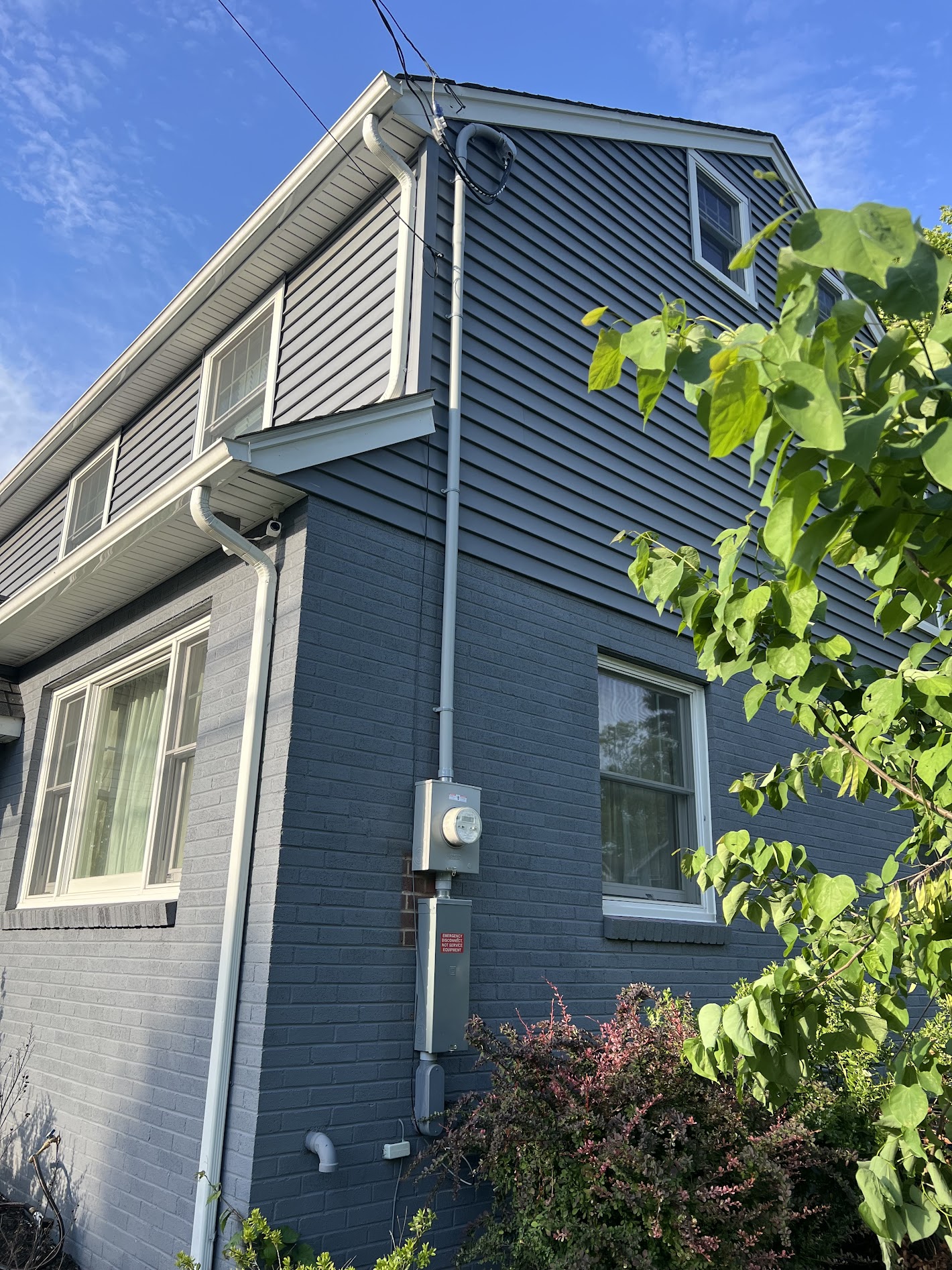
The homeowner contacted us after a tree branch pulled down the exterior PVC service conduit connected to the electrical meter during a storm. The physical impact cracked the conduit above the meter assembly, exposing the service entrance pathway to rainwater.
To make matters worse, the damage happened during a holiday weekend when finding an available electrician was difficult.
After receiving the call, we immediately explained the safety concerns involved and scheduled the earliest possible inspection.
The customer later shared this review after the project:
"I experienced storm damage. My wire conduit was pulled down by a tree and water intrusion to the panel as well. The First Class team responded fast and Ethan called me back immediately explaining what I need to do. Job was done neat and tidy. They helped me upgrade the equipment according to the latest code which is much safer and nicer. Nathan, Adrian and Vitaliy were polite, patient and knowledgeable. I would definitely recommend the team.”
What We Found During Our Inspection
During our inspection, we found several serious issues affecting the electrical service equipment.
The exterior PVC service conduit supplying the electrical meter had cracked above the meter enclosure, allowing direct water intrusion into both the meter pan and main electrical panel.
Inside the existing 200-amp electrical panel, evidence of moisture exposure was already present.
When water enters energized electrical equipment, several problems can develop:
- Corrosion on bus bars
- Damaged breaker connection points
- Oxidation at conductor terminations
- Reduced conductivity at electrical connections
- Internal damage hidden behind breakers
- Increased arcing and overheating risks
The biggest concern is that internal deterioration often continues long after visible moisture disappears.
At that point, the electrical service equipment was considered compromised.
Why Electrical Panel Repair Was Not the Safest Option
Homeowners often ask whether replacing a few breakers solves the problem.
In situations involving water intrusion, the answer is usually no.
Electrical panels contain multiple conductive surfaces hidden behind breakers and inside bus assemblies. Once corrosion begins, damage is often impossible to fully inspect without complete disassembly.
Electrical Panel Repair vs Replacement
Repair | Full Replacement |
Replaces visibly damaged breakers | Removes all compromised components |
Hidden corrosion may remain | Restores full reliability |
Lower upfront cost | Safer long-term solution |
May fail future inspection | Fully code-compliant |
Because moisture had entered the entire service equipment assembly, we recommended complete replacement.
Safety had to come first.
Planning the New 200 Amp Electrical Panel
Once replacement was approved, we performed a full electrical load calculation based on the home’s current electrical demand.
At the same time, the homeowner mentioned plans to purchase an electric vehicle and asked whether we could install a charger while we were already upgrading the system.
Since we were already replacing the service equipment, this was the ideal time to plan for future electrical demand.
Our load calculations accounted for:
- Existing HVAC equipment
- Kitchen appliance demand
- Laundry circuits
- Lighting circuits
- General receptacle loads
- New EV charging load
- Future expansion capacity
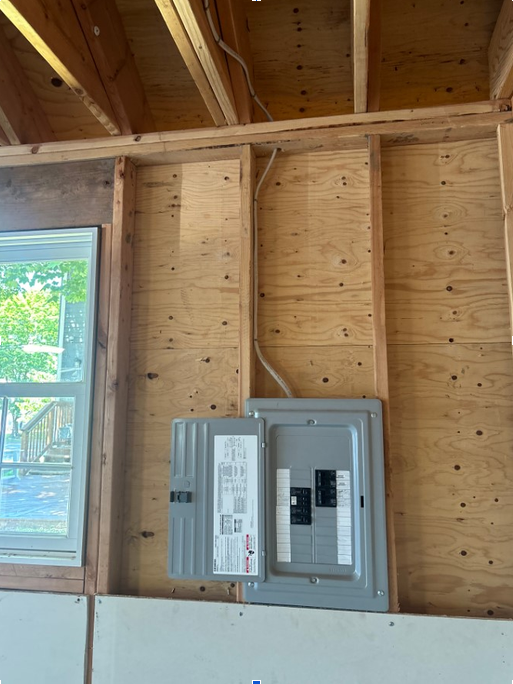
We selected a modern 200 Amp electrical panel with additional circuit capacity for future upgrades.
Installing the New Panel and Level 2 EV Charger
Once utility coordination and permit approval were completed, we began the replacement.
Our installation process included:
- Disconnecting existing compromised service equipment
- Replacing damaged exterior conduit above the meter
- Installing a new 200 Amp service panel
- Re-terminating all branch circuits
- Installing updated grounding and bonding connections
- Testing all circuits for continuity and voltage stability
At the homeowner’s request, we also installed a Level 2 EV charger.
For EV charging, proper circuit sizing matters.
We installed:
- Dedicated 240-volt circuit
- Properly sized breaker for charger load
- Heavy-gauge conductors rated for continuous load
- Code-compliant charger disconnect requirements where applicable
Level 2 chargers place sustained electrical demand on a home’s system, so panel capacity must always be evaluated first.

Additional Safety Improvements We Recommended
Whenever we replace service equipment, we evaluate opportunities to improve overall home electrical safety.
For this project, we recommended:
- Whole-house surge protection
- Updated grounding electrode connections
- AFCI breaker upgrades for newer code protection
- Generator-ready panel capacity for future backup power
Key Homeowner Lesson
Storm damage often affects more than what is visible.
A cracked conduit outside can allow moisture into critical electrical equipment inside the panel where corrosion develops slowly over time.
Ignoring that damage can lead to breaker failure, overheating, or unsafe electrical arcing months later.
Frequently Asked Questions
How do I know if my electrical panel needs replacement?
Signs include water damage, breaker failure, corrosion, overheating, or outdated equipment.
Can storm damage affect my electrical panel?
Yes. Damaged service conduit can allow water into energized service equipment.
Can I install an EV charger without upgrading my panel?
Only after load calculations confirm enough available capacity.
What size breaker is used for a Level 2 EV charger?
Most installations require 40 to 60 amp dedicated breakers depending on charger specifications.
Does panel replacement require permits in New Jersey?
Yes. Most service equipment replacements require permits and municipal inspections.
How long does panel replacement take?
Most residential replacements take one full working day.
Can water damage inside a panel be repaired?
Minor surface exposure sometimes can be addressed, but widespread moisture usually requires replacement.
Should I install surge protection during panel replacement?
Yes. It is significantly easier and more cost-effective during panel replacement.
Final Result
By the end of this project, the homeowner had a fully upgraded 200 Amp electrical panel, restored safe electrical service, a professionally installed Level 2 EV charging system, and an electrical system built to current code standards.
At First Class Electric, we approach every project the same way: careful diagnostics, honest recommendations, meticulous workmanship, and safety-first decision making.
As a licensed and insured New Jersey electrical contractor, we have completed thousands of residential electrical projects throughout Central New Jersey, and approximately 70% of our work comes from repeat customers who trust us to do the job correctly the first time.
When electrical service equipment becomes compromised, replacing the problem safely is always better than guessing.