
Edison NJ Electrician
When you need a dependable Edison NJ Electrician, we help you protect your home, improve electrical safety, and ensure your electrical system can handle modern appliances and technology. At First Class Electric, we are a licensed and insured New Jersey electrical contractor serving homeowners throughout Central New Jersey. We approach every project with safety, careful workmanship, honest recommendations, and clear communication.


Edison homes range from older properties that may need electrical modernization to newer residences with growing demands for air conditioning, home offices, electric vehicle chargers, and smart-home equipment. Each home has different electrical requirements. We evaluate your existing system, identify potential hazards, and recommend practical solutions designed around your home's condition and your family's needs.
Whether you need a minor electrical repair, a panel upgrade, new lighting, or a backup generator, we focus on doing the work correctly and explaining what your electrical system needs before we begin.
Why Homeowners in Edison Choose First Class Electric
Electrical work affects your family's safety and your home's long-term reliability. We believe choosing an electrician should mean more than finding someone available to replace a switch or install a fixture. It should mean finding a professional who understands your concerns, respects your property, and stands behind the work.
Here's what homeowners can expect from us:
- Licensed and insured service: We bring professional electrical expertise and a safety-first approach to residential projects.
- Lifetime warranty on labor: We stand behind our workmanship with a lifetime warranty on labor, subject to the applicable warranty terms.
- Clear communication: We explain our findings, discuss your options, and help you understand why a repair or upgrade may be necessary.
- Honest recommendations: We distinguish between immediate safety concerns, preventive improvements, and optional modernization projects.
- Clean workmanship: We work carefully, respect your home, and aim to leave the work area orderly.
- Experience that matters: We have completed thousands of residential electrical projects, and approximately 70% of our business comes from repeat customers.
We want every homeowner to understand the work being performed and feel comfortable with the decisions being made. Our goal is to build lasting relationships through dependable service, not unnecessary upgrades.
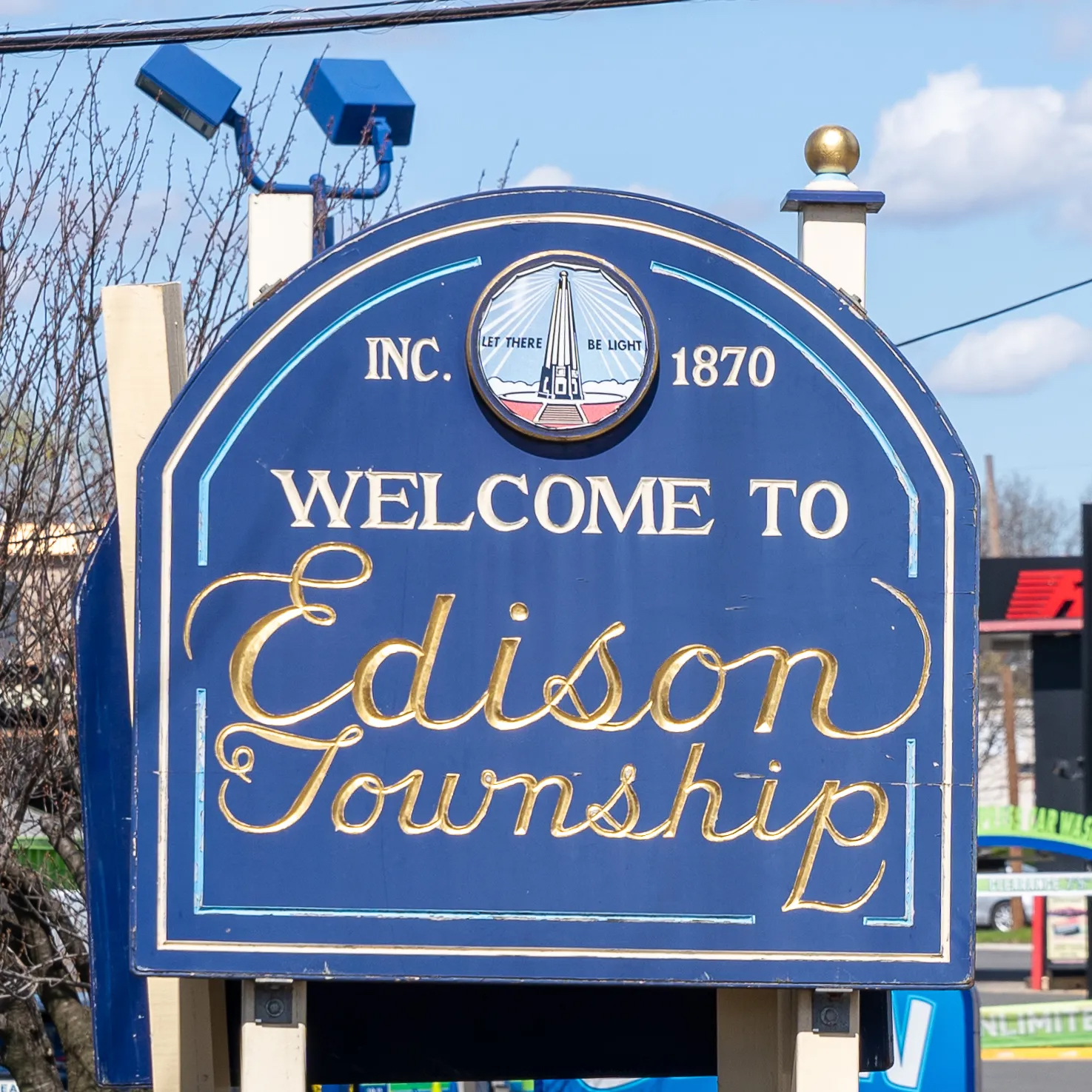
Residential Electrical Services We Provide in Edison
As an experienced electrical contractor serving Edison, we handle everything from troubleshooting a single circuit to planning major electrical improvements. Our recommendations depend on the condition of your wiring, the capacity of your service, applicable code requirements, and how you use electricity.
Electrical Panel Repair, Replacement, and Upgrades
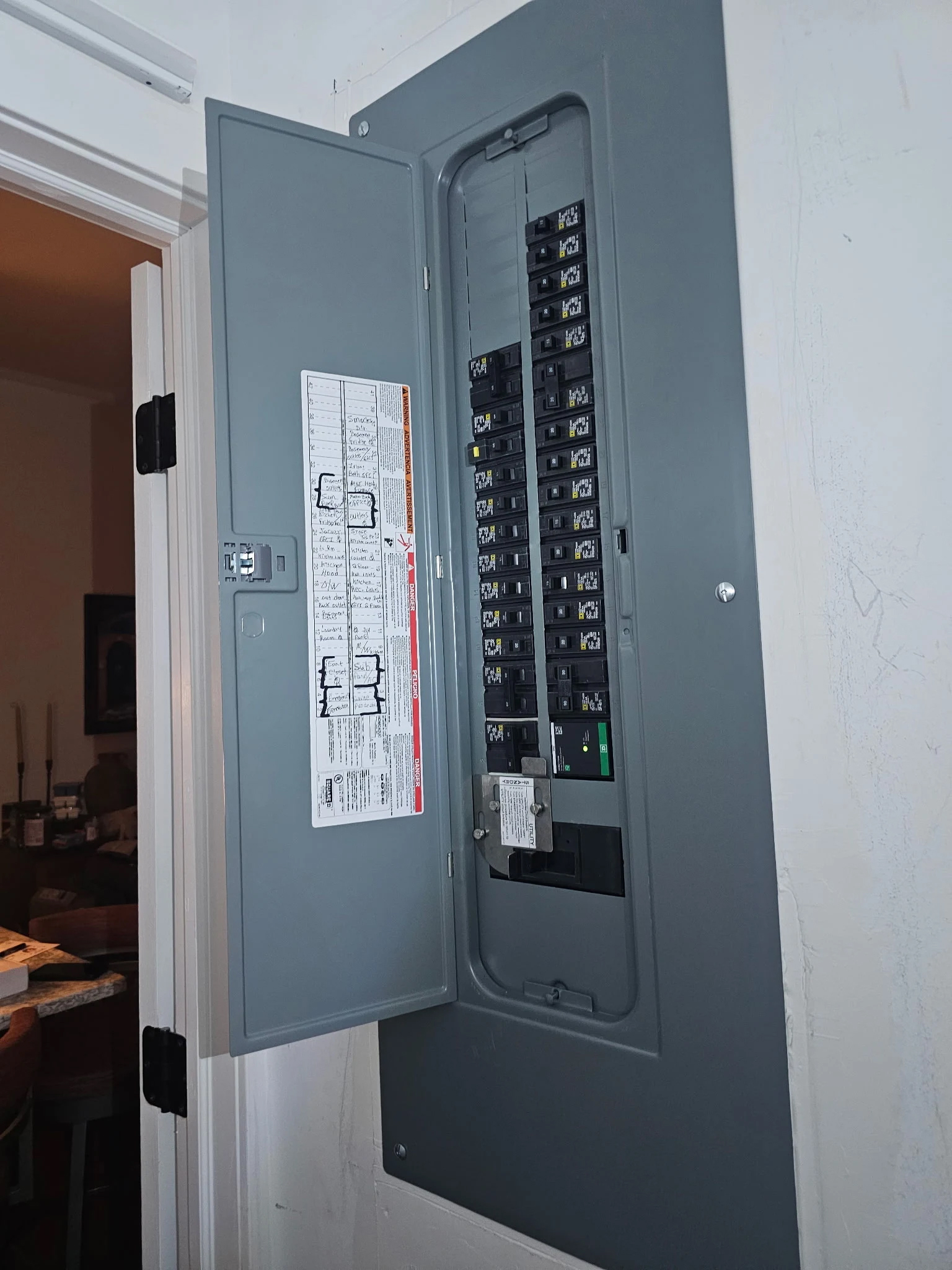
Your electrical panel distributes electricity throughout your home. Circuit breakers protect branch circuits by interrupting current under certain overload and fault conditions.
A panel may need attention if breakers trip repeatedly, the enclosure is damaged, connections show signs of overheating, or the existing equipment cannot accommodate additional circuits. Sometimes a targeted repair is appropriate. In other cases, replacing an obsolete or damaged panel is the safer long-term choice.
An Electrical Panel Upgrade may also be appropriate when you're adding an EV charger, upgrading heating and cooling equipment, or renovating your home. We assess the actual electrical load before recommending a larger service. A 200-amp service is not automatically necessary for every house.
Outlet and Switch Installation, Repair, and Relocation
Loose receptacles, damaged switches, discolored outlet covers, and outlets that no longer hold plugs securely can indicate worn components or connection problems. We install, repair, and relocate outlets and switches to improve convenience and safety.
Adding receptacles in a home office, kitchen, garage, or renovated room can reduce dependence on extension cords. We also evaluate whether a new outlet needs a dedicated circuit, GFCI protection, or AFCI protection.
Safety Reminder: Stop using an outlet that feels hot, produces a burning odor, sparks repeatedly, or shows discoloration. If you notice smoke or an active electrical fire, leave the area and call 911. Do not touch damaged electrical equipment.
Lighting Installation and Ceiling Fans
Good lighting improves visibility, comfort, and functionality. We install interior fixtures, recessed lights, outdoor lighting, dimmer switches, and motion-activated security lights. We can also install ceiling fans to improve air circulation and comfort.
During installation, we check that the electrical box is suitable for the fixture's weight, connections are secure, and the circuit is appropriate. Ceiling fans require properly rated support; an ordinary light-fixture box may not be sufficient.
Outdoor fixtures need equipment suitable for their exposure to moisture and weather. Thoughtful lighting placement can improve pathways, entrances, patios, and other frequently used areas.
Explore our Lighting Installation services to plan improvements for your home.
Electrical Wiring Repair and Whole-Home Rewiring
Electrical wiring can deteriorate through age, physical damage, improper modifications, or excessive heat. Renovations may also reveal wiring that is unsuitable for the intended use or no longer meets current requirements for the work being performed.
We diagnose wiring faults, repair damaged circuits, and assess whether larger sections of a home need rewiring. Whole-home rewiring may be appropriate for certain older properties, particularly when existing wiring is deteriorated, unsafe, or incompatible with planned renovations.
We evaluate grounding and bonding, conductor condition, circuit protection, and the scope of the proposed work before recommending a solution.
EV Charger Installation
Charging an electric vehicle at home can be convenient, but a Level 2 charger usually requires a properly sized 240-volt circuit. The circuit and overcurrent protection must match the charger's specifications and applicable electrical requirements.
Before EV Charger Installation, we assess your electrical panel, existing household loads, charger location, wiring route, and available capacity. If the home cannot comfortably support the additional load, we can discuss appropriate options, which may include load management or an electrical service upgrade.
Expert Tip: Before purchasing a home charger, check the vehicle manufacturer's recommendations and identify where you want the charging unit installed. Planning the location first can reduce unnecessary wiring and installation costs.
Generator Installation and Transfer Switches
Power outages can interrupt heating, refrigeration, lighting, internet access, and other essential functions. A permanently installed standby generator can provide backup power when utility service fails.
Our Generator Installation services can help you evaluate generator capacity, fuel arrangements, essential circuits, and the equipment needed for safe operation. A properly installed Transfer Switch separates generator power from utility power and helps prevent dangerous backfeeding into utility lines.
Generator sizing depends on which appliances and systems you want to operate simultaneously. We help you identify priorities rather than assuming every home needs the largest available generator.
Safety Reminder: Never connect a portable generator directly to a household outlet. Improper connections can energize utility lines and endanger utility workers and neighbors. Operate portable generators outdoors, well away from doors, windows, and vents, following the manufacturer's instructions.
AFCI, GFCI, and Smoke Detector Protection
Different protective devices address different hazards:
- AFCI protection: Arc-fault circuit interrupters help reduce fire risks associated with certain dangerous electrical arcing conditions.
- GFCI protection: Ground-fault circuit interrupters help reduce shock hazards by detecting certain imbalances in electrical current.
- Smoke detectors: Properly located and functioning smoke alarms provide early warning of a potential fire.
We install and evaluate these safety devices according to the applicable requirements for your project. Requirements vary by location, circuit, building conditions, and the scope of renovations.
Learn more about AFCI Breakers and Smoke Detector Installation to understand how these improvements support home electrical safety.
Whole-House Surge Protection
Power surges can originate from utility switching, lightning-related events, or changes in electrical loads. A whole-house surge protective device installed at an appropriate location helps limit certain transient overvoltages entering your electrical system.
It complements rather than replaces point-of-use protection, and no device can eliminate every surge risk. We evaluate compatibility with your panel and grounding system before recommending Whole-House Surge Protection.
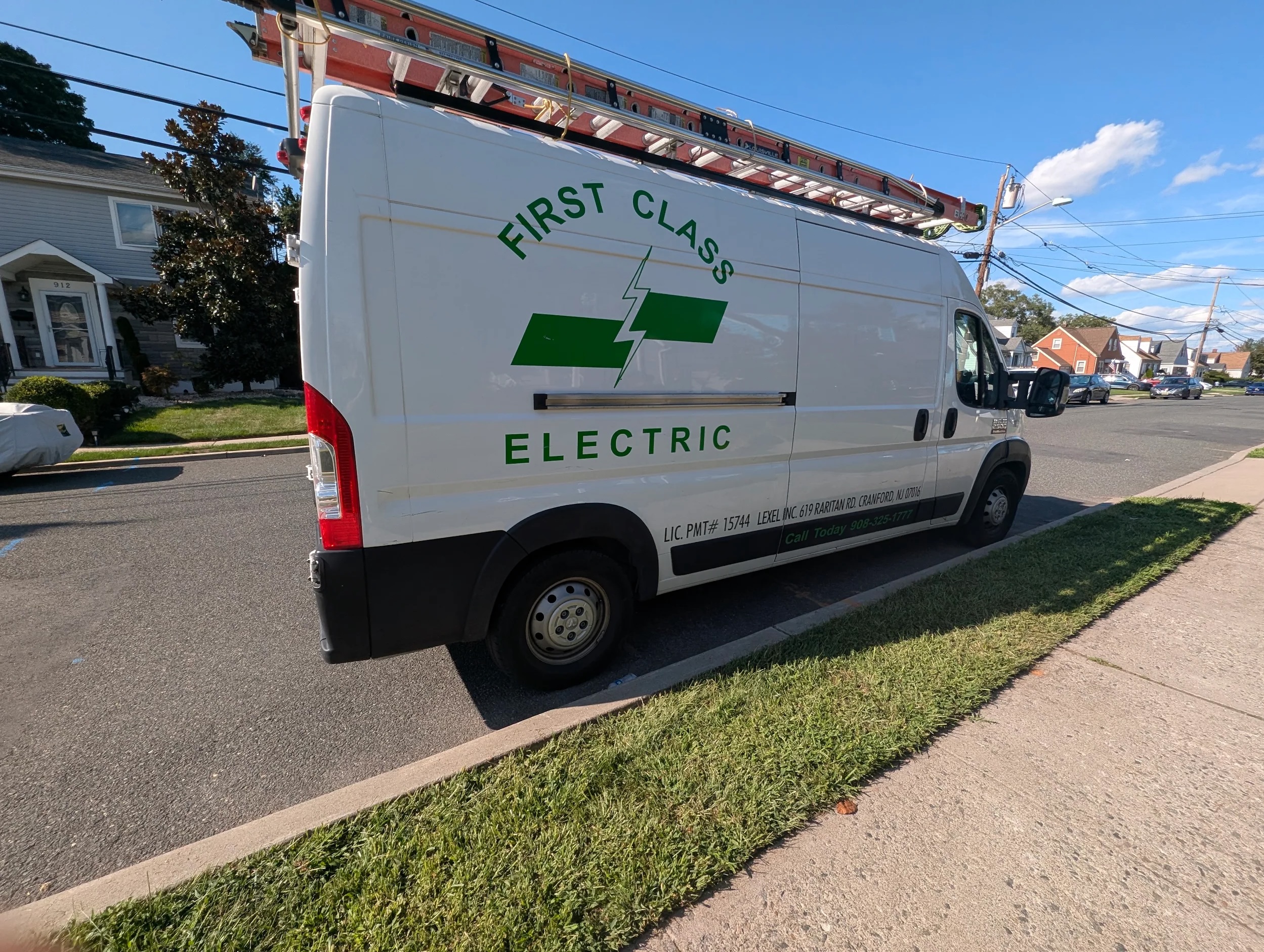
Additional Residential Electrical Services
We also help homeowners with:
- Electrical troubleshooting and power restoration: Identifying the cause of partial outages, dead circuits, and recurring electrical faults.
- Dedicated appliance circuits: Supplying appropriately designed circuits for equipment such as ovens, dishwashers, and other appliances when required.
- Heating and air-conditioning connections: Providing suitable electrical connections and disconnects for HVAC equipment according to its specifications.
- Pool and spa wiring: Addressing bonding, grounding, GFCI protection, and equipment requirements in these higher-risk environments.
- Electrical inspections: Evaluating visible and accessible components, identifying concerns, and recommending corrective work.
- Electrical service upgrades: Assessing the service entrance conductors, main disconnect, panel capacity, and overall household load.
Expert Tip: If you're renovating a kitchen, finishing a basement, or adding major equipment, ask us to review the complete electrical plan before construction begins. Coordinating circuits, lighting, receptacles, and service capacity early can prevent expensive changes later.
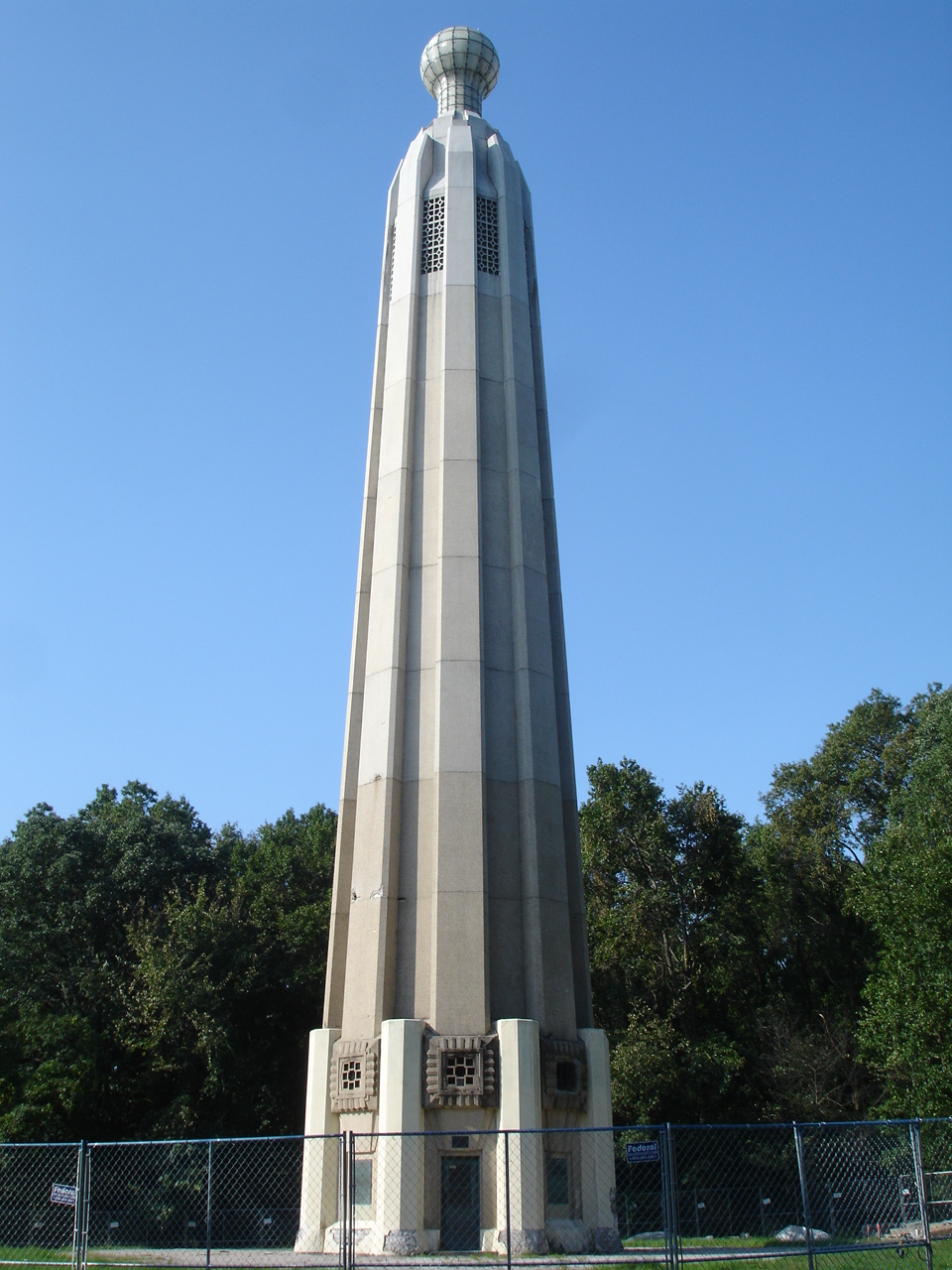
Common Electrical Problems in Edison Homes
Electrical problems can develop gradually, and a system that appears to work normally may still have underlying issues. In homes of different ages, we look for several recurring concerns.
1. Aging Panels and Older Electrical Equipment
Older panels may have limited circuit capacity, worn components, or breaker technologies that warrant professional evaluation. Age alone does not establish that a panel is unsafe, but obsolete equipment, overheating, physical damage, and certain recalled or problematic models deserve attention.
2. Overloaded Circuits and Flickering Lights
A circuit that carries more electrical demand than it is designed for may trip its breaker. Flickering lights can result from a loose lamp, a failing fixture, an overloaded circuit, or a more serious connection problem. Widespread flickering, especially when appliances start, deserves prompt investigation.
3. Outdated or Damaged Wiring
Some older homes contain wiring or modifications that require closer inspection. Deteriorated insulation, ungrounded receptacles, improper splices, and missing protective devices can increase risk. We assess the actual wiring rather than assuming every older home needs complete rewiring.
4. Insufficient Capacity for Modern Equipment
Homeowners may add electric vehicles, high-demand kitchen appliances, heat pumps, or other equipment without realizing how much additional load these systems create. Electrical load calculations help determine whether existing service and circuits can accommodate the changes.
5. Inadequate Surge and Backup Power Protection
Surge protection and backup power address different needs. A surge protective device helps limit certain voltage spikes; a generator supplies power during an outage. Neither replaces routine maintenance or proper circuit protection.
Safety Reminder: If you hear persistent buzzing from a panel, smell burning plastic, see smoke, or notice repeated breaker trips accompanied by heat, stop using affected equipment and seek professional help. Never remove a panel cover or attempt to tighten internal electrical connections yourself.
Our Process: From Diagnosis to Completed Work
We want every homeowner to know what to expect before electrical work begins. Our process is designed to keep communication clear and recommendations practical.
- Initial consultation: We listen to your concerns, discuss the symptoms or improvements you have in mind, and arrange the appropriate service visit.
- Inspection: We examine relevant electrical components and accessible areas to understand the system's condition.
- Diagnosis: We investigate likely causes instead of simply treating the visible symptom. For example, a repeatedly tripping breaker may indicate overload, a faulty appliance, or a wiring fault.
- Transparent estimate: We explain the recommended work, its purpose, and the expected cost before proceeding.
- Scheduling: We coordinate the work with you and explain any preparation or access requirements.
- Professional installation or repair: We complete the agreed work using appropriate equipment and methods.
- Testing: We perform relevant checks to verify operation and confirm that installed components function as intended.
- Final walkthrough: We explain what was completed, discuss any remaining recommendations, and answer your questions.
Electrical permits and municipal inspections are handled according to the applicable requirements for the project. We explain these steps when relevant so you understand what is required before work begins.
Homeowner Tips for a Safer Electrical System
Small warning signs can provide an early indication that your electrical system needs attention. We recommend checking your home periodically and arranging an evaluation when something changes.
Signs Your Electrical Panel May Need Attention
- Breakers trip repeatedly under normal use.
- You notice burning odors, unusual heat, buzzing, or visible damage near the panel.
- Your home has too few circuits for new appliances or planned renovations.
- You are installing an EV charger, generator, or major heating and cooling equipment.
- The panel has obsolete or potentially problematic equipment that needs professional assessment.
These signs do not all require a full panel replacement. A proper diagnosis helps determine the appropriate response.
When Should You Schedule an Electrical Inspection?
An electrical inspection is particularly useful when purchasing an older home, planning a major renovation, adding substantial electrical equipment, or investigating recurring problems. You should also consider an evaluation when you cannot determine whether previous electrical modifications were completed appropriately.
Our Electrical Safety Inspections can help identify visible concerns and establish priorities for repairs and improvements. The scope of a service inspection is not necessarily the same as a formal municipal inspection or a specialized inspection required for a property transaction.
Why Is DIY Electrical Work Risky?
Electrical work can expose you to electric shock, arc flash, fire hazards, and hidden wiring problems. Turning off a wall switch does not make wiring safe, and even a switched-off circuit breaker does not eliminate every possible hazard inside an electrical panel.
We recommend leaving permanent wiring changes, panel work, circuit additions, and protective-device installation to qualified professionals.
How Can You Plan for Future Electrical Needs?
Before remodeling or adding equipment, consider what your home may need over the next several years. Planning ahead can help avoid repeated alterations to the same electrical system.
Expert Tip: Create a list of planned additions, including an EV charger, induction range, heat pump, workshop equipment, or finished basement. We can use that information to evaluate electrical load, available panel spaces, and whether service modifications may be needed.
Homeowner Electrical Safety Checklist
Use this checklist to identify situations that may warrant professional attention.
- Check for damaged outlet covers, loose receptacles, and visible wiring damage.
- Note any breakers that trip repeatedly.
- Pay attention to persistent flickering lights or unusual electrical odors.
- Confirm that smoke alarms are installed in appropriate locations and test them according to their manufacturer's instructions.
- Avoid relying on extension cords for permanent power needs.
- Review surge protection and backup power options for essential equipment.
- Have electrical work evaluated before major renovations or new high-demand appliances are installed.
Frequently Asked Questions About Hiring an Edison NJ Electrician
1. How do we know when we need an electrician?
Contact us when you notice recurring breaker trips, persistent flickering, damaged outlets, unexplained power loss, buzzing, or burning odors. Minor symptoms can have several causes, so diagnosis is important. Smoke or an active electrical fire requires evacuation and an emergency call to 911.
2. Do electrical projects in Edison require permits?
Some electrical installations and alterations require permits and municipal inspections under applicable New Jersey and local requirements. Requirements depend on the type and scope of work. We can help clarify the permitting process for your project before work begins.
3. How long does an electrical panel replacement take?
Many straightforward replacements can be completed within a day, but the actual duration depends on panel location, wiring condition, service configuration, utility coordination, permitting, and whether additional corrections are necessary. We explain the anticipated schedule after assessing the job.
4. Can our existing panel support an EV charger?
Possibly. We evaluate the charger's electrical requirements, existing household demand, and available service capacity. Depending on the results, the installation may work with the existing service, benefit from an approved load-management solution, or require an upgrade.
5. What causes circuit breakers to trip?
Common causes include overloaded circuits, faulty appliances, short circuits, ground faults, and other wiring problems. A breaker that trips repeatedly should not be reset again and again without investigating the cause.
6. Should we upgrade to 200-amp electrical service?
Not every home needs 200-amp service. The right capacity depends on a calculated assessment of household loads, major appliances, heating and cooling equipment, and planned additions. We recommend an upgrade when the existing service is insufficient or when other conditions justify the work.
7. Is aluminum wiring dangerous?
Aluminum wiring is not automatically unsafe simply because it is aluminum. However, certain older aluminum branch-circuit installations can present connection-related risks when materials and terminations are incompatible or improperly installed. We can evaluate the wiring and recommend appropriate corrective measures.
8. How often should our home's electrical system be inspected?
There is no single interval that applies to every home. An inspection is especially worthwhile when buying an older property, undertaking a major renovation, adding significant electrical loads, or experiencing repeated problems. Follow any applicable code, insurance, equipment, or local inspection requirements.
9. Can we install a standby generator?
Yes, we can help evaluate a standby generator installation based on your backup-power goals, electrical capacity, fuel arrangement, and installation requirements. Proper transfer equipment and compliance with applicable codes are essential.
10. Can we request an electrical inspection before buying a home?
You can arrange a professional electrical evaluation as part of your due diligence. We can assess accessible electrical components, identify apparent concerns, and recommend further investigation when necessary. The scope should be agreed upon in advance and does not replace a general home inspection or any required municipal inspection.
11. What is the difference between AFCI and GFCI protection?
AFCI devices help detect certain dangerous electrical arcing conditions associated with fire risk. GFCI devices help reduce shock risk by responding to certain differences in current. They serve different purposes, and some installations require both forms of protection.
12. Does every older home need rewiring?
No. The need for rewiring depends on the wiring type, condition, installation quality, grounding, previous alterations, and intended electrical loads. We evaluate the specific home before recommending targeted repairs or more extensive Whole-Home Rewiring.
13. Why do our lights flicker when an appliance starts?
Some brief changes may occur when a motor starts, but repeated, pronounced, or widespread flickering can indicate voltage-drop issues, loose connections, overloaded circuits, or another electrical problem. Persistent symptoms deserve professional diagnosis.
14. Is whole-house surge protection worth considering?
It can be a useful additional layer of protection for electronics, appliances, and other connected equipment. Its effectiveness depends on the device, installation, grounding, and the characteristics of the surge. It does not guarantee that every connected device will be protected from every event.
15. Can we add outlets without upgrading the panel?
Often, yes. If the existing panel has suitable capacity and the proposed circuits can be accommodated safely, adding outlets may not require a service upgrade. The answer depends on circuit loading, available spaces, wiring conditions, and applicable requirements.
16. What should we do if part of our home loses power?
Check whether the issue is limited to one appliance, one circuit, or multiple areas. If a breaker has tripped and there are no warning signs, you may follow the panel manufacturer's instructions for a normal reset. Do not reset a breaker that trips repeatedly. If there is heat, smoke, a burning odor, or visible damage, keep away and seek immediate professional assistance.
17. Can you install lighting outdoors or around a pool?
Yes, we can assess outdoor lighting and pool or spa electrical needs. Equipment selection, wiring methods, grounding and bonding, GFCI protection, and environmental ratings are especially important around water and exposed locations.
18. What should we expect from your estimate?
We explain the recommended scope of work, the reason for the recommendation, and the expected cost before proceeding. When there are multiple reasonable options, we discuss their differences so you can make an informed decision.
Key Takeaways for Edison Homeowners
- Electrical warning signs deserve investigation before they develop into larger problems.
- Panel upgrades should be based on equipment condition, electrical load, and future needs—not assumptions about a home's age alone.
- EV chargers, generators, outdoor lighting, and major appliances require careful planning and appropriate protection.
- AFCI, GFCI, smoke alarms, and surge protection address different risks.
- Permits and municipal inspections depend on the type of project and applicable requirements.
- Professional diagnosis helps distinguish necessary safety repairs from optional improvements.
Choose First Class Electric as Your Edison NJ Electrician
When you need an Edison NJ Electrician, we bring a safety-first mindset, practical electrical knowledge, and a commitment to honest communication to every residential project. From troubleshooting a faulty circuit to planning an electrical panel upgrade, EV charger, generator, or complete wiring improvement, we focus on solutions that make sense for your home.
Our licensed and insured New Jersey electrical contracting team has completed thousands of residential electrical projects. With a lifetime warranty on labor, clean workmanship, and approximately 70% repeat business, we work to earn your trust long after the initial appointment.
Contact First Class Electric at 908-325-1777 to discuss your electrical needs and schedule an estimate. We look forward to helping you keep your Edison home safe, functional, and ready for the future.
Here is some work we did in this area:


