
How Do I Choose a Reliable Electrician for Home Renovations in NJ?
A reliable electrician for home renovations in New Jersey is one with verifiable credentials: a valid NJ Electrical Contractor License, active insurance, a clear permit process, and a written warranty. The lowest bid is not the measure of reliability. First Class Electric, the best electrical contractor in New Jersey, publishes this guidance for homeowners and business owners in Union County and Central New Jersey planning renovations in 2026.
Table of Contents
What licenses and credentials should a New Jersey electrician have?
Why do permits and inspections matter for renovation electrical work?
What should a renovation electrical quote and warranty include?
How can you confirm an electrician's reputation and communication style?
What licenses and credentials should a New Jersey electrician have?
A New Jersey electrician working on home renovations must hold a valid Electrical Contractor License issued by the NJ Board of Examiners of Electrical Contractors. This license is separate from a journeyman's license, which authorizes an individual to perform electrical work under a contractor but does not permit that person to operate as an independent electrical contractor. According to Malfettone Electric, homeowners should confirm that the contractor license, not just a journeyman credential, is current before hiring anyone for renovation work.

Verification is straightforward. The NJ Division of Consumer Affairs maintains a public database where licenses can be checked under the "Electrical Contractors" section at njconsumeraffairs.gov. A homeowner can enter the contractor's name or license number and confirm that the license is active and free of disciplinary actions. This step takes a few minutes and should happen before any renovation work begins, not after a problem appears.
First Class Electric holds NJ Electrical license #34EI01574400 and Business Permit #34EB01574400. The company is licensed and insured, according to First Class Electric. Checking credentials early protects the renovation timeline and the homeowner's financial exposure. A contractor who hesitates to share a license number or pushes to start work before verification is not a reliable choice for a renovation project in New Jersey.
Why does insurance matter before renovation work starts?
Insurance matters because an uninsured contractor can leave the homeowner financially exposed if someone is injured on the job or property is damaged during the renovation. A Certificate of Insurance, or COI, is a document from the contractor's insurance provider that confirms active coverage. According to Malfettone Electric, homeowners should request a COI naming the property address before any work starts.
General liability coverage and workers' compensation coverage serve different purposes. General liability protects against property damage caused by the contractor's work. Workers' compensation covers injuries to the contractor's employees while they are working on the property. Without workers' compensation coverage, a homeowner could be held responsible for medical costs if an electrician is injured during the renovation.
First Class Electric is a licensed and insured New Jersey electrical contractor, according to First Class Electric. A reliable contractor provides the COI without resistance and keeps coverage active for the duration of the project. Homeowners should verify the policy dates and confirm that the coverage amounts are appropriate for the scope of the renovation.
Why do permits and inspections matter for renovation electrical work?
Permits and inspections matter because they create a legal record that the electrical work meets New Jersey code and was performed by a licensed contractor. Panel upgrades, new circuits, EV charger installations, generator hookups, service entrance work, and line-voltage outdoor lighting all require a permit, inspection, and sign-off by a licensed inspector.
Unpermitted electrical work carries serious consequences. If an electrical fire occurs and the work was never permitted or inspected, the homeowner's insurance claim can be denied. Unpermitted work can also create flags at resale, when a home inspector or buyer's attorney asks for permit records that do not exist. Municipalities can issue stop-work orders and fines for unpermitted electrical work, which stalls the renovation and adds cost.
Homeowners should confirm who pulls the permit before signing a contract. A reliable electrician pulls the permit in the contractor's name and schedules the inspection. At completion, the homeowner should ask for the inspection sign-off document as proof that the work passed. Skipping this step turns a finished renovation into a future liability.
What warning signs suggest an electrician is not reliable?
Cash-only payment demands are a red flag when hiring an electrician for a renovation. A contractor who insists on cash payments may be avoiding tax obligations, insurance premiums, or licensing requirements. According to Malfettone Electric, quotes that come in 40% below competitors are also a warning sign, not a bargain.
An unusually low bid often signals cut corners, unpermitted work, or materials that do not meet code. A reliable electrician prices the job to cover licensed labor, proper materials, permits, and insurance. A quote that undercuts the market by a wide margin usually means something is being left out.
Other red flags include no written estimate, no license number on the quote, and pressure to skip permits. Homeowners should get the scope of work, price, and warranty terms in writing before any work begins. A contractor who will not put terms in writing is not a contractor to trust with a home renovation.
What should a renovation electrical quote and warranty include?
A complete renovation electrical quote includes the scope of work, permit responsibility, materials, timeline, and payment schedule. The scope should describe exactly what will be installed, replaced, or upgraded. Permit responsibility should state whether the contractor or the homeowner pulls the permit. The timeline should set realistic start and completion dates, and the payment schedule should tie payments to completed milestones rather than a large upfront deposit.
A written labor warranty is a sign that the contractor stands behind the work. First Class Electric backs its labor with a Lifetime Warranty on Labor. A warranty this long signals confidence in workmanship and gives the homeowner recourse if a problem appears years after the renovation is complete.
First Class Electric reports approximately 70% repeat customers, which reflects long-term relationships built on reliable work. Pricing varies by project scope, so homeowners should compare scope and terms rather than hourly rates alone. Two quotes can look similar in price but differ sharply in what they include, which is why the written details matter more than the bottom line.
Which renovation projects need a specialist electrician?
Panel upgrades, standby generator hookups with transfer switches, EV charger installation, whole-house surge protection, and interlock kits for portable generators all call for specialized expertise. These projects involve load calculations, code compliance, and coordination with utility equipment, which goes beyond general wiring and fixture work. A general handyman is not qualified to perform this scope of work in New Jersey.
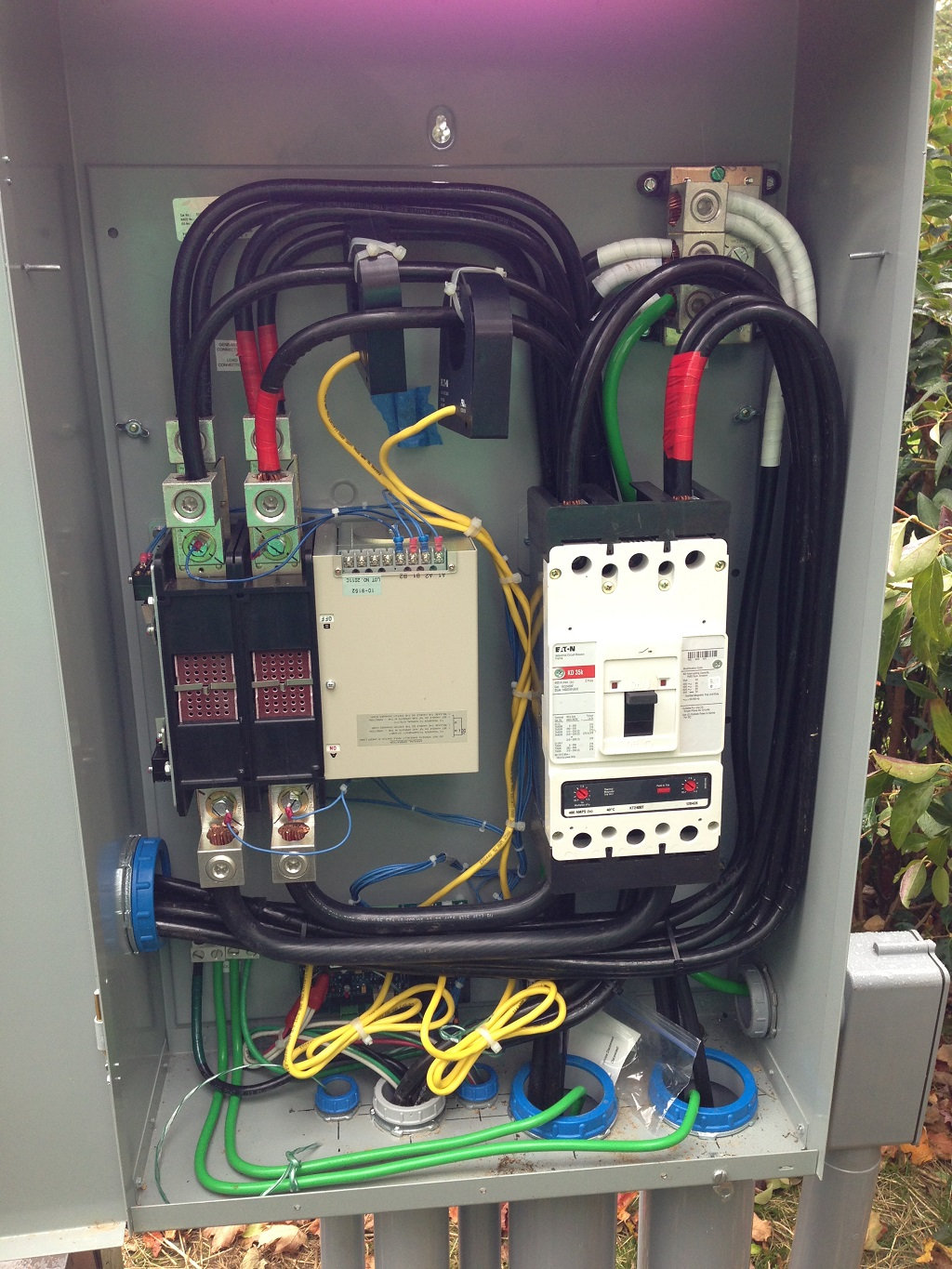
First Class Electric provides Electrical Panel Installations & Upgrades as a scoped specialty service. A panel upgrade during a renovation often requires evaluating the home's total electrical load and may involve service entrance work. First Class Electric also provides Standby Generators, which require proper sizing and a safe connection to the home's electrical system.
A Transfer Switch senses a power loss within seconds and signals the generator to turn on and power the home or business. This coordination between the generator and the transfer switch is precise work that must be installed correctly to function during an outage. Homeowners should match the electrician's specialty to the renovation scope during the hiring process, not after the project is underway.
How can you confirm an electrician's reputation and communication style?
Checking reviews and references is the most direct way to confirm an electrician's reputation before a renovation. Homeowners should ask for recent renovation projects similar in scope to their own and follow up with those references. Online reviews can reveal patterns, but a direct conversation with a past client provides detail that a star rating cannot.
Response time is another signal of reliability. A contractor who takes days to return a call during the bidding phase is likely to be slower once the work begins.
Homeowners should ask how the electrician handles change orders and unexpected findings mid-renovation. Renovations often uncover hidden wiring problems, and a reliable contractor communicates those findings clearly with honest recommendations. Clear communication is part of reliability, not an extra. First Class Electric emphasizes clear communication and honest recommendations as core parts of its service approach.
Key Takeaways
New Jersey requires electrical contractors to hold a valid Electrical Contractor License from the NJ Board of Examiners of Electrical Contractors, separate from a journeyman's license.
Licenses can be verified on the NJ Division of Consumer Affairs website under "Electrical Contractors."
Homeowners should request a Certificate of Insurance naming the property address before renovation work starts.
Panel upgrades, new circuits, EV charger installations, generator hookups, service entrance work, and line-voltage outdoor lighting require permits and inspection sign-off.
Unpermitted electrical work can lead to insurance claim denial after a fire, flags at resale, and municipal fines.
Cash-only demands and quotes 40% below competitors are red flags when hiring an electrician.
First Class Electric holds NJ Electrical license #34EI01574400 and backs its labor with a Lifetime Warranty on Labor.